Protective Role of PPF in Heavy Rain and Road Spray: Enhancing Vehicle Durability and Safety
Nobody likes seeing their car covered in chips, scratches, or ugly water stains after a heavy rain or a long drive on a wet road. While washing and waxing help, they don't fully protect your vehicle from the daily wear and tear caused by harsh weather and road spray. That's where paint protection film, or PPF, steps in, a nearly invisible layer that guards your car's paint from damage while making it easier to clean and maintain. Paint protection film acts as an invisible shield that prevents mechanical damage such as chips and scratches while also providing hydrophobic properties that repel water, minimizing water spots, stains, and mineral buildup during heavy rains and road spray. Additionally, PPF helps preserve the vehicle's paint by blocking UV rays and reducing corrosion caused by road salts, ensuring longer-lasting durability and a cleaner appearance even under harsh weather conditions.
Understanding Paint Protection Film
At its essence, PPF is a thin, transparent layer of polyurethane designed to act as invisible armor for your vehicle's paint. Its primary role is to absorb impacts from road debris, heavy rain droplets, and other environmental aggressors that would otherwise chip, scratch, or dull the car's finish. Unlike traditional protective methods such as waxing or sealants, PPF offers a physical barrier that defends against mechanical damage while preserving the original paint underneath. The standout characteristic of PPF lies in its UV resistance. This function isn't just about preventing paint from looking faded; it actively blocks harmful ultraviolet rays. Over years of sun exposure, untreated paint can lose both vibrancy and gloss, with surfaces potentially experiencing significant reduction in shine. That kind of fading is not only unsightly but also weakens the protective topcoats on your paint. In contrast, PPF helps maintain a showroom shine much longer by acting like sunscreen for your car.
Another impressive feature is the self-healing technology embedded in modern PPF. Imagine tiny scratches or swirl marks, the typical wear that accumulates during daily driving, simply vanishing when the film warms up. This phenomenon happens because the polyurethane material has elastic properties that allow minor abrasions to smooth back into place with heat. This way, your vehicle's exterior continues to look flawless without constant buffing or polishing. Beyond appearance, the film's hydrophobic qualities help rainwater bead and slide off quickly, reducing water spots and mineral stains that commonly form after heavy showers or when driving through road spray. This repellency not only keeps your car cleaner but also enhances safety by improving visibility through fewer droplets clinging to painted surfaces near windows and mirrors. Considering durability, PPF generally lasts between five and ten years depending on product quality and maintenance practices. It withstands abrasive forces significantly better than unprotected paint surfaces, an essential advantage for vehicles exposed regularly to harsh weather or rough roads. From snow-laden winters where salt corrosion is common to dusty summer drives peppered with tiny rock chips, PPF acts as a shield that stops damage before it reaches your paint layers.
Professional Application Process
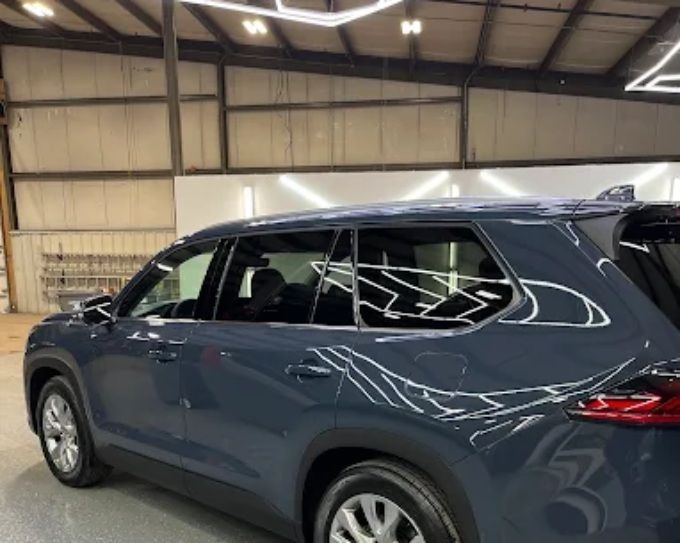
The journey of protecting your vehicle's paint with PPF starts long before the film even touches the surface. The very first and most critical step is surface preparation. Before applying the film, the vehicle must be meticulously cleaned; every speck of dirt, oily residue, or contaminant can hinder proper adhesion. This often involves washing with specialized automotive soaps, followed by wiping down the panels with cleaning solutions to ensure the surface is perfectly clean and ready to bond. Once the surface is spotless, attention shifts to precision cutting. Modern installations use advanced plotters that cut the PPF according to exact vehicle dimensions or pre-cut kits designed for specific makes and models. This custom tailoring eliminates waste and ensures every curve and contour of the car's body is fully covered without unsightly overlaps or gaps.
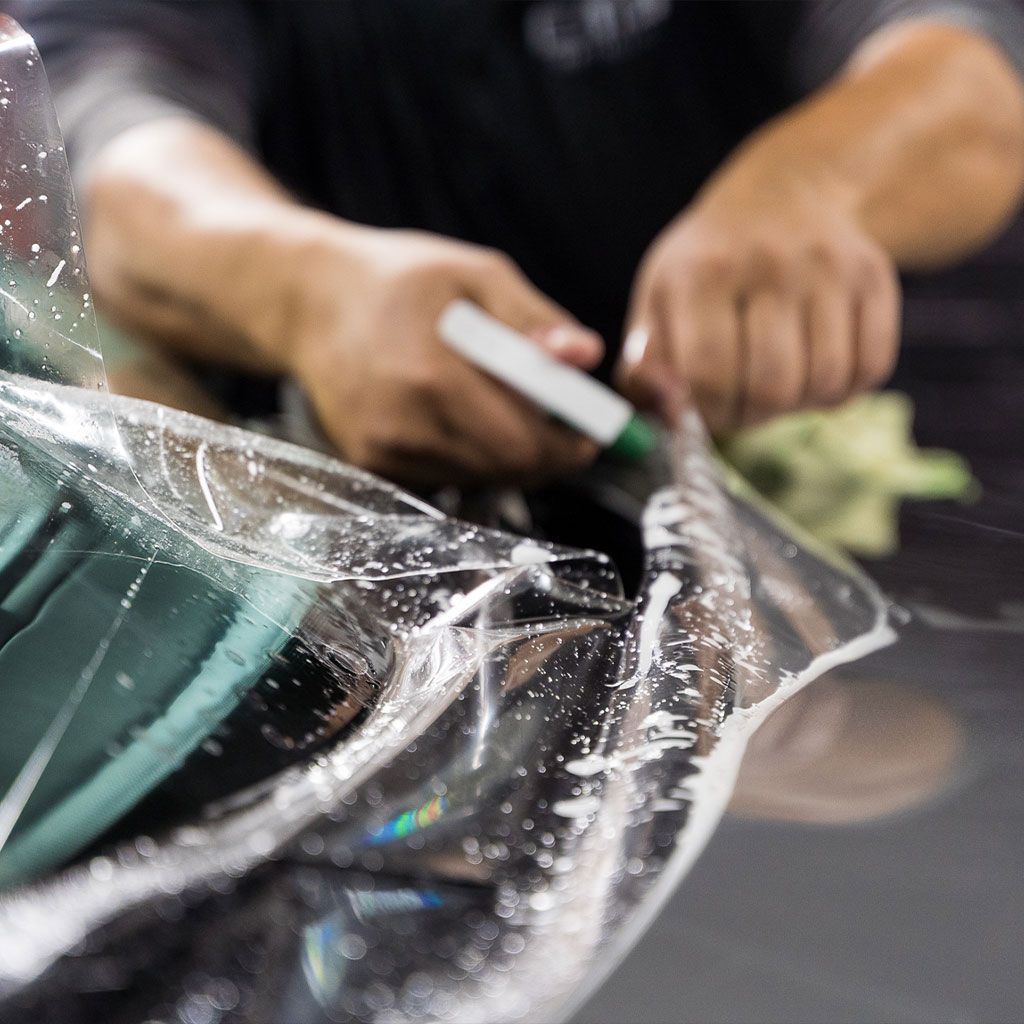
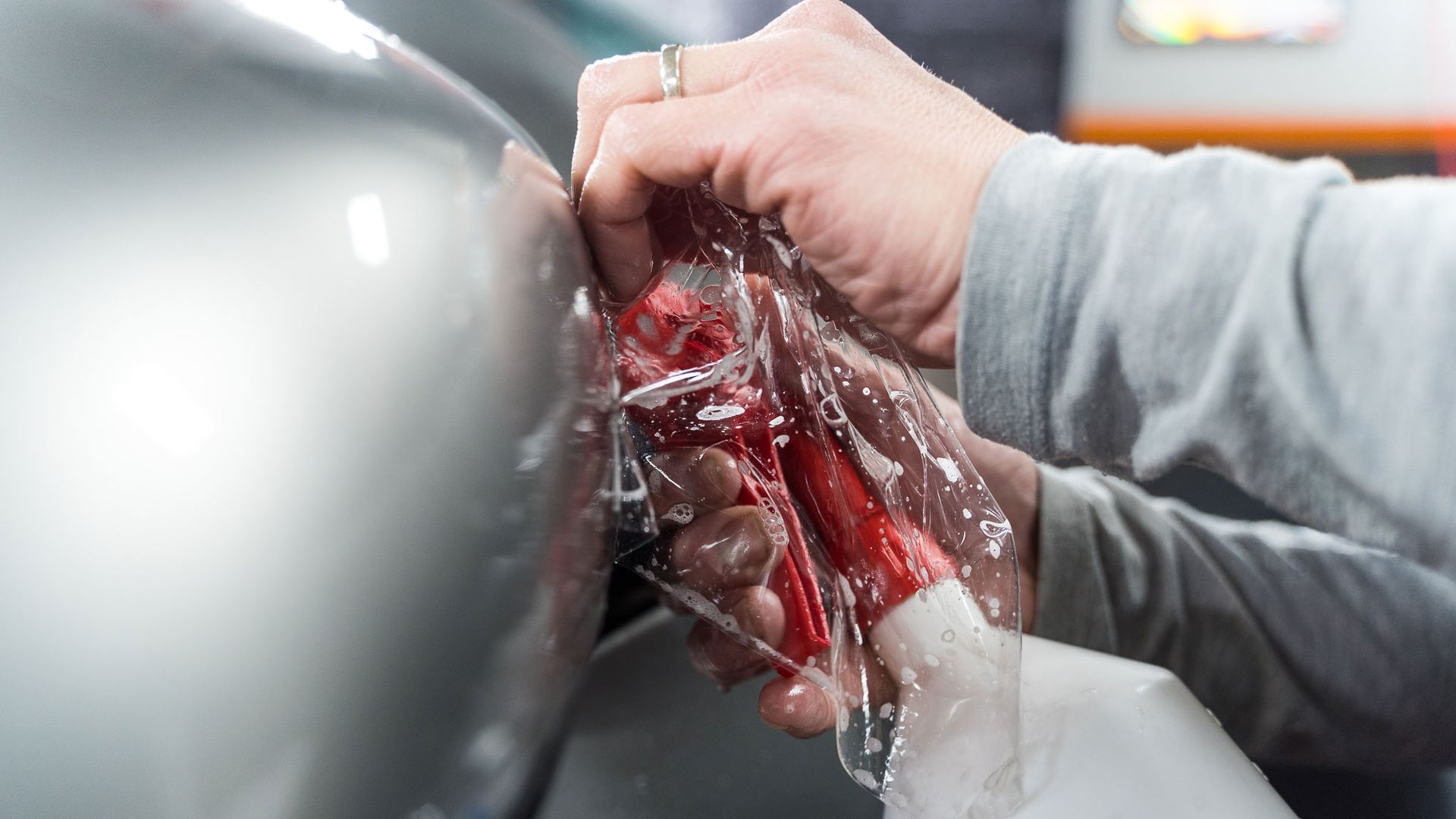
Applying the film itself is where skill really shines. Technicians typically use a soapy water mixture as a lubricant; this lets them slide and reposition the film effortlessly over complex curves while preventing air pockets from forming beneath it. The slow, methodical smoothing with a plastic squeegee pushes out excess solution and ensures no unwelcome bubbles or wrinkles remain. Once perfectly positioned, drying and curing begin. The car should remain in a dust-free environment to avoid particles settling under the film as it dries naturally. Some installers carefully apply gentle heat to accelerate adhesive activation and edge sealing, though excessive heat can warp or damage both paint and film. Allowing sufficient time for a full cure ensures optimal bond strength so that your PPF resists peeling through weather changes and daily wear. For anyone considering PPF installation, investing in professional expertise is wise since precise environmental control and handling techniques often exceed what DIY attempts can safely accomplish.
Hydrophobic Protection Against Moisture
The magic of PPF's hydrophobic surface lies in its ability to make water behave differently than it does on unprotected paint. Instead of spreading out and clinging to every curve and crevice, water beads up into tiny droplets that quickly roll off. This is more than a neat visual effect; it is a powerful defense mechanism. By shedding water rapidly, the film also carries away dirt, grime, road salts, and other contaminants before they can settle, reducing the chance for stubborn mineral spots or stains to form. This beading effect has a scientific basis rooted in surface chemistry. Hydrophobic coatings increase the contact angle between water droplets and the vehicle surface, meaning droplets slip away faster and take corrosive elements with them. This significantly cuts down on not just routine dirt but also harmful buildups like road spray residues containing chemicals or salt, a serious challenge during wet winter driving.
The advantages extend to safety as well. Hydrophobic coatings improve visibility by keeping vehicle windows and mirrors clearer during rainfall. Faster water runoff enhances driver visibility, reducing risks related to impaired sightlines on slick roads. For vehicle owners managing both aesthetics and functionality year-round, knowing that your car will repel dirt better after each drive means you spend less time scrubbing stubborn stains or applying harsh chemicals that might degrade paint or film integrity over time.
Defense Against Road Spray Damage
Road spray is more than just harmless splashes of water; it is a complex mixture of water, chemicals like road salt, oils, and tiny abrasive particles such as gravel and dirt hurled up by passing vehicles. This relentless onslaught can quickly wear down a vehicle's paint job, causing chips, scratches, and staining that gradually degrade the appearance and value of the car. Paint protection film serves as a formidable shield against this daily barrage, absorbing impacts and preventing direct contact between harsh elements and the fragile paint beneath. The physical barrier provided by PPF proves highly effective at reducing micro-abrasions, which are tiny scratches caused by fine debris carried within road spray. This means your vehicle maintains its showroom shine for longer without frequent polishing or touch-ups.
Another significant aspect is corrosion prevention. Road spray often carries salts used in winter for de-icing roads, which accelerate rust formation on exposed metal surfaces. By blocking these corrosive agents, PPF acts as an anti-corrosive shield, protecting your vehicle's structural integrity. To maximize protection against road spray damage, it is essential that PPF be installed with precision, cleaning the surface meticulously beforehand and ensuring proper edge sealing to prevent moisture intrusion underneath the film.
Essential Maintenance Practices
Maintaining paint protection film is straightforward but demands steady commitment to routine care. The goal isn't just to keep it looking pristine; it's about preserving the film's protective qualities against heavy rain, road spray, and everyday wear. One practical starting point is routine cleaning using pH-balanced car wash soap every two to three weeks. This gentle approach avoids harsh chemicals that could degrade or weaken the film over time. Using microfiber cloths or soft sponges rather than abrasive brushes helps prevent surface scratches, keeping the film smooth and intact. When washing, avoid bringing high-pressure washers too close to the PPF's edges, as the force can lift the film where it adheres most delicately. Drying with a clean microfiber towel further reduces water spots, which are not only unsightly but also difficult to remove once etched into the film's surface.
Despite your best cleaning efforts, stubborn stains sometimes settle on PPF where water spots, tar, bug splatter, or bird droppings can be particularly persistent. For these situations, specialized PPF cleaners tailored to safely dissolve contaminants without harming the film are invaluable. Regular inspections form another core maintenance habit. Periodically checking for any signs of film lifting, edge damage, or surface wear enables you to catch small problems early before they escalate into costly repairs. Beyond cleaning and inspection, applying a compatible ceramic coating every six to twelve months can boost hydrophobic properties significantly, reducing staining risks and simplifying future cleaning jobs.
Paint protection film stands as a smart investment for anyone looking to preserve their vehicle's value and appearance through adverse weather and road challenges. Its multi-layered defense system, combining UV resistance, self-healing technology, hydrophobic properties, and mechanical shielding, goes well beyond mere surface protection. By blocking harmful elements before they reach your paint, PPF maintains your vehicle's showroom condition while reducing maintenance demands and protecting against corrosion. Whether facing heavy rain, road spray, or daily environmental exposure, this nearly invisible armor delivers lasting durability and peace of mind for conscientious vehicle owners.
Precision PPF Services in Elgin, IL
Safeguard your vehicle’s finish with
professional paint protection film services from CM3 Detailing Studio & Ceramic Coating in Elgin, IL. Designed for drivers who want dependable protection without altering their vehicle’s original appearance, our PPF forms a clear, durable barrier over high-impact areas. Expert surface preparation and precise installation allow our team to deliver a smooth, seamless finish that supports long-term paint preservation.
Schedule your paint protection film service today to keep your vehicle protected on Elgin roads!