How Self-Healing Paint Protection Film Works: The Science Behind the Finish
If you’ve ever worried about tiny scratches ruining your car’s paint, you’re not alone. Fortunately, there’s technology that goes beyond simply covering up damage: self-healing paint protection film can actually smooth out minor scratches on its own. By using materials that respond to warmth, this film helps your car keep a cleaner, more polished look without constant touch-ups. Let’s take a closer look at how this technology works and why it’s become a popular choice for protecting a vehicle’s finish.
Self-healing paint protection film uses specialized thermoplastic polyurethane polymers with long, flexible molecular chains that stay mobile even after the film cures. When the film picks up a minor scratch, heat, whether from warm water or sunlight, activates movement in these polymer chains, allowing them to realign and smooth the surface back out. It’s a genuinely useful piece of material science built into a practical, everyday product.
The Basics of Self-Healing Paint Protection Film
At its core, self-healing PPF, sometimes called a clear bra, is a polymer shield engineered to protect your car’s finish from everyday wear. Made primarily from thermoplastic polyurethane, it combines flexibility and durability in a thin, nearly invisible layer that conforms to the curves and contours of your vehicle.
What sets it apart is its molecular structure: a network of long, flexible polymer chains that can shift back into place when activated by heat. When the film picks up a light scratch or swirl mark, these chains get momentarily displaced. As the surface warms, whether from sunlight, warm water, or heat generated by friction, the chains move and settle back into a smoother formation, allowing the mark to fade over time.
This capability is what separates self-healing film from traditional PPF, which shields paint from damage but doesn’t repair itself; a standard film will still show light scratches until it’s replaced. With self-healing film, minor imperfections can smooth out on their own with simple warmth, reducing the need for frequent trips to a detailer for touch-up correction.
Self-healing film also typically includes a hydrophobic top coat that helps water, dirt, bird droppings, and grime bead up and roll off more easily, which keeps your vehicle cleaner for longer and makes washing easier. Many films also offer meaningful resistance to UV radiation, which helps protect against the fading and degradation that prolonged sun exposure can cause over time, something especially relevant for drivers who spend a lot of time outdoors in the sun.
Here’s a quick overview of the key components involved:
- Thermoplastic polyurethane (TPU): Provides elasticity and durability, and allows molecular repositioning that enables scratch healing
- Hydrophobic top coat: Repels water and dirt, making the surface easier to clean
- UV-resistant layer: Helps shield paint from sun-related fading over time
- Overall thickness: Provides a physical buffer against chips from road debris
At CM3 Detailing Studio & Ceramic Coating, we specialize in installing self-healing film with the precision this kind of material requires, tailoring coverage to each vehicle.
Composition of the Film
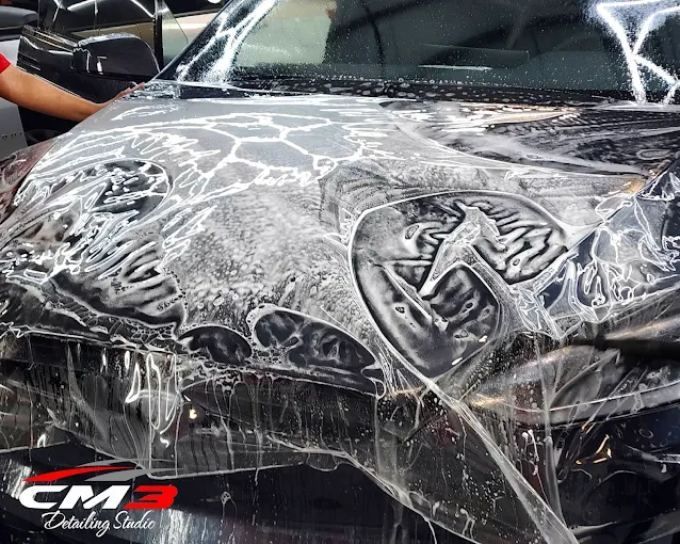
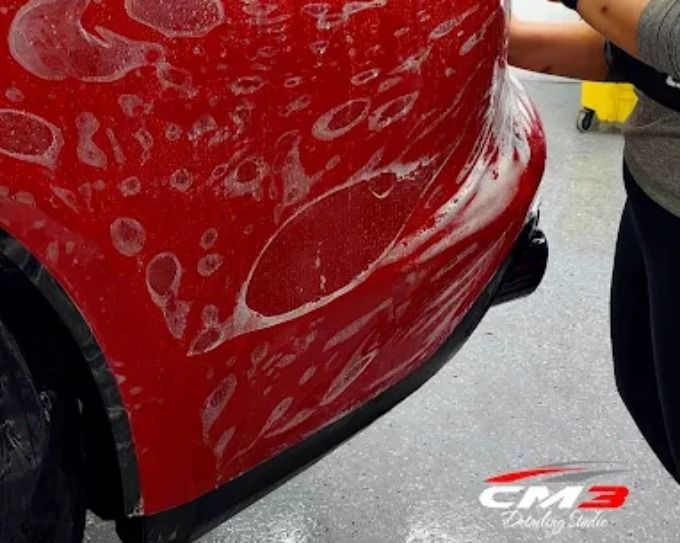
Self-healing film is a composite made of several distinct layers, each with a specific role. The adhesive layer anchors the film firmly to your vehicle’s surface, keeping it in place through weather changes and daily wear. Beneath that sits the polyurethane base, a durable layer that absorbs impact from debris like rock chips while staying flexible enough to follow the curves of your car’s body.
What truly sets self-healing film apart is the topcoat, built with elastomeric polymers that retain mobility even after curing. This is the layer responsible for the healing effect: when heat is introduced, these molecules shift and realign, smoothing out minor abrasions. The topcoat is also typically engineered with hydrophobic properties, helping resist water and contaminants like dirt or bugs, which helps prevent staining over time.
- Adhesive layer: Secures the film firmly to the vehicle’s surface, resisting peeling
- Polyurethane base: Absorbs impact and provides structural durability while remaining flexible
- Self-healing topcoat: Enables scratch repair through heat-activated polymer movement
How the Self-Healing Mechanism Works
The film is built from long, flexible polyurethane molecules with elastomeric properties that stay mobile even after curing. When heat, from sunlight or warm water, raises the film’s surface temperature, that added energy increases molecular motion in the topcoat layer, allowing displaced polymer chains to shift back into place and smooth out light scratches.
Healing speed relates to both temperature and how deep the damage goes. Very shallow, fresh scratches tend to smooth out more quickly under warmth, while deeper swirl marks can take longer. Colder conditions slow this process but don’t stop it altogether. Keeping the film’s surface clean also matters, since dirt or oils trapped in a scratch can interfere with the polymer chains’ ability to move and realign.
It’s important to understand the limits of this technology. Self-healing film is genuinely effective at erasing light surface scratches and fine swirl marks, the kind that come from an automated wash or light contact. It does not repair deeper cuts, punctures, or damage that goes through the topcoat into the layers beneath. What it does prevent in the first place is often more valuable: the polyurethane base layer absorbs the impact from rocks, gravel, and road debris before that impact ever reaches your paint, which is a separate and arguably more important function than the self-healing property itself. If a scratch does go beyond what the film can heal, that’s a case for professional repair or film replacement, not something warmth alone will fix.
Application Process
Getting the full benefit of self-healing film depends heavily on proper installation. The process starts with thorough surface preparation, washing and degreasing the area to remove dirt, wax, and oil that could otherwise interfere with adhesion.
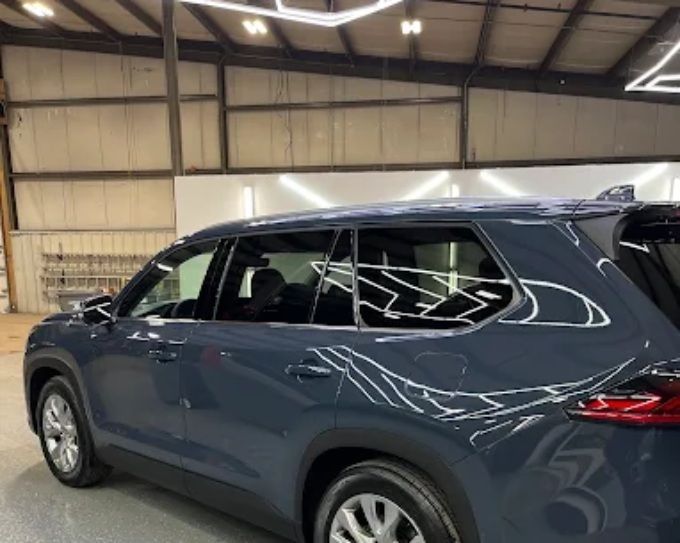
From there, technicians precisely measure and cut the film to match your vehicle’s specific panels and contours, using an application fluid to help position the film accurately before it sets. Once positioned, installers use squeegees to work out air and excess fluid, and heat is applied strategically to help the film mold around curves and activate the polymer mobility that gives the topcoat its self-healing properties.
After installation, every edge and seam is inspected closely, and the film needs a curing period during which it’s best to avoid aggressive washing. At CM3 Detailing Studio & Ceramic Coating, our certified technicians handle each of these steps carefully, since proper installation is what allows the self-healing technology to actually perform the way it’s designed to.
Key Benefits of Self-Healing Film

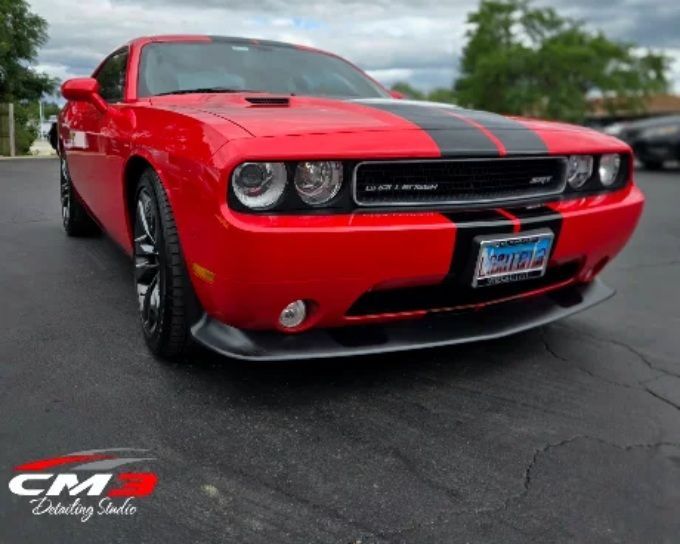
The most immediate benefit is reduced maintenance stress. Rather than worrying about every small mark from a parking lot or an automated wash, self-healing film can smooth many of those marks out on its own with a bit of warmth.
This also supports real cost savings over time, since fewer minor scratches mean fewer trips to a detailer for paint correction. Beyond the self-healing property itself, the film’s hydrophobic top coat helps repel dirt, bird droppings, and bug splatter, keeping your car cleaner between washes. And because the film also absorbs physical impact from road debris, it offers a layer of protection against the kind of damage that doesn’t heal on its own, which is ultimately a bigger contributor to preserving your paint and your car’s resale value, long-term.
Routine care supports all of this. Regular gentle washing keeps dirt from interfering with the healing process, and occasional warmth, whether from sunlight or a warm water rinse, can help speed along the repair of fresh, minor marks.
Durability and Longevity
Self-healing film is engineered to hold up well under real-world conditions, including the kind of debris, road grime, and seasonal exposure common in a climate like Illinois’s. The multi-layered construction is designed to absorb and dissipate impact while maintaining clarity, and quality films generally resist yellowing or peeling over several years with proper care.
It’s worth repeating that durability and self-healing are two different things. The self-healing topcoat handles light surface marks well, but deep cuts, punctures, or damage from sharp objects require repair or film replacement, not warmth. Regular gentle washing and periodic professional inspection help catch any early signs of lifting or damage before they become bigger issues.
Get Professional Self-Healing PPF in Elgin
If you’re looking for clear bra in Elgin that actually repairs light scratches on its own, not just covers them up, the team at CM3 Detailing Studio & Ceramic Coating can help you choose the right self-healing film and coverage for your vehicle.
Give us a call at (630) 400-6766 or fill out our online contact form to schedule your consultation.
Frequently Asked Questions
How long does the self-healing property of the film last before it wears out?
Self-healing performance generally holds up well for multiple years, depending on the film’s quality and how it’s cared for. Higher-quality paint protection film tends to maintain its self-healing properties longer than budget options.
What types of scratches or damage can these films effectively heal?
Self-healing film is effective against light surface scratches and swirl marks, the kind that come from an automated car wash or minor surface contact. Deeper gouges, cuts, or punctures are beyond what the self-healing topcoat can repair.
What materials and technologies enable paint protection film to self-heal?
Self-healing film relies on elastomeric thermoplastic polyurethane polymers with flexible molecular chains that remain mobile after curing. When heat is applied, these chains shift and realign, allowing light surface damage to smooth back out.
How quickly can scratches or damage on the film repair themselves?
Healing time depends on the depth of the mark and the amount of warmth applied. Very light, fresh marks can smooth out relatively quickly under warm conditions, while deeper swirl marks may take longer.
Are there environmental conditions that affect the efficiency of self-healing paint protection films?
Yes. Warmth, whether from sunlight or warm water, speeds up the healing process, while cold conditions slow it down without stopping it entirely. Keeping the film’s surface clean also supports more effective healing, since dirt or oil trapped in a scratch can interfere with how well the film repairs itself.