Beat Summer Heat: How Window Tint Makes Your Car Cooler and Protects Your Interior
Summer heat can turn your car into a mobile oven before you even hit the road. Most people think cracking windows or using sunshades is enough to keep things bearable, but those measures only do so much. That's where window tinting comes in, offering an upgrade that helps cool your ride and protects your car's interior from prolonged sun exposure.
Window tint works by applying a specialized film that blocks and reflects a portion of the sun's ultraviolet (UV) and infrared (IR) rays, which are major contributors to heat buildup inside a vehicle. This helps reduce interior temperatures, eases the load on your air conditioning system, protects your car's interior from sun damage, and improves comfort during hot summer days.
Why Consider Tinting Your Car Windows
Window tinting can transform the inside of your car into a noticeably cooler space when the sun is at its strongest. By applying a specialized film to your windows, quality tint blocks a substantial portion of ultraviolet rays and meaningfully reduces infrared heat transfer, improving comfort and easing the load on your air conditioning system.
Tinted windows also help protect your car's interior from premature aging. Prolonged sun exposure causes dashboard materials to fade and crack, upholstery to dull, and interior plastics to warp over time, and quality tint film helps slow this process. Vehicle interiors can reach dangerously high temperatures surprisingly quickly, even on days that don't feel especially hot outside, which is part of why reducing solar heat gain matters beyond simple comfort.
Window tinting also offers safety benefits worth considering. Tint film can help hold shattered glass together if a window breaks, and it increases privacy by making it harder for passersby to see inside your vehicle, which can deter opportunistic theft of visible valuables.
Tint Options and Legal Considerations
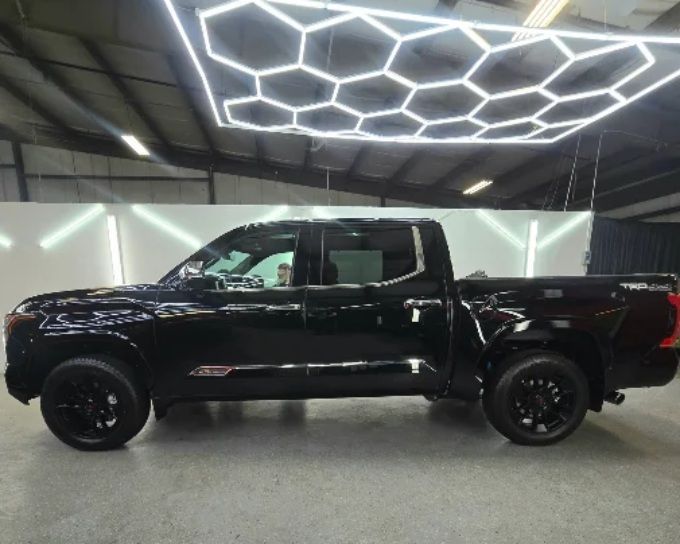
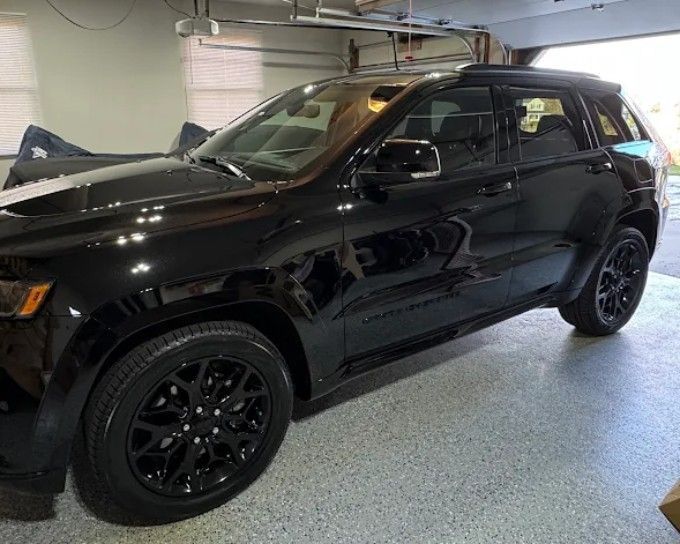
CM3 Detailing Studio & Ceramic Coating offers two film types: standard carbon and ceramic. Both provide infrared heat rejection, strong UV resistance, and a clean exterior look, though ceramic film is the higher-performing option for heat filtering, UV rejection, and glare reduction, including improved nighttime visibility by cutting glare from headlights and streetlights. Coverage is available by area, including a window strip, the front two windows, all sides and rear glass, or the windshield, so you can choose the combination that fits your needs and budget.
It's also important to understand local tint darkness laws, measured by Visible Light Transmission (VLT). Illinois law requires sedans and compact cars to maintain at least 35% VLT on all windows, while SUVs and trucks must maintain at least 50% VLT on front windows, with any darkness permitted on rear windows and the windshield. Reflective tint isn't permitted on any vehicle size in Illinois. Professional installation helps ensure your tint meets these requirements. Illinois's tint laws can differ by vehicle type in ways that are easy to get wrong, so it's worth reviewing the details before choosing a tint level.
Impact on Interior Temperatures and Efficiency
High-quality window tint can meaningfully reduce how hot a parked car gets under direct sun, making your vehicle more comfortable when you return to it. Tint films work by reflecting and absorbing infrared and ultraviolet rays before they penetrate the cabin, while still letting visible light through for clear visibility. Ceramic tint is generally the stronger option for heat rejection between CM3 Detailing Studio & Ceramic Coating's two film types, while standard carbon film also offers solid heat rejection and UV resistance at a more budget-friendly price point.
This cooler environment also helps preserve interior surfaces, from seats and dashboards to plastics and fabrics, that would otherwise face accelerated fading and wear. When your car's interior stays cooler, your air conditioning system doesn't have to work as hard, which can support better fuel efficiency, a benefit that adds up over time. At CM3 Detailing Studio & Ceramic Coating in Elgin, Illinois, we help drivers of cars, trucks, and SUVs find a tint solution that balances comfort and efficiency for our local climate.
UV Protection and Appearance
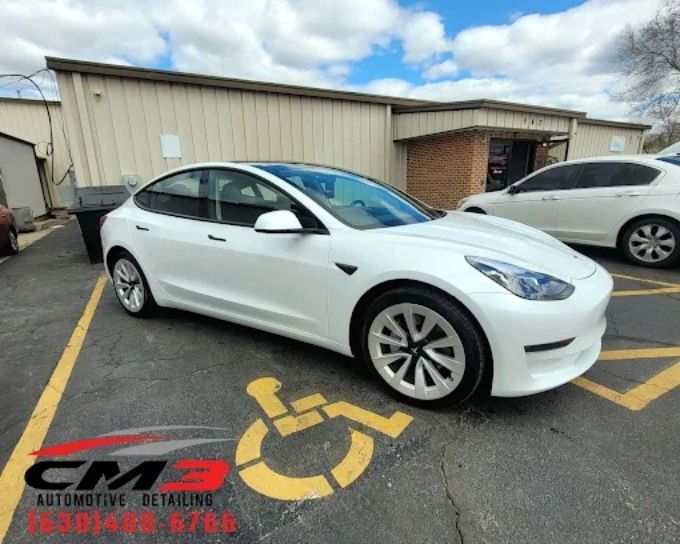
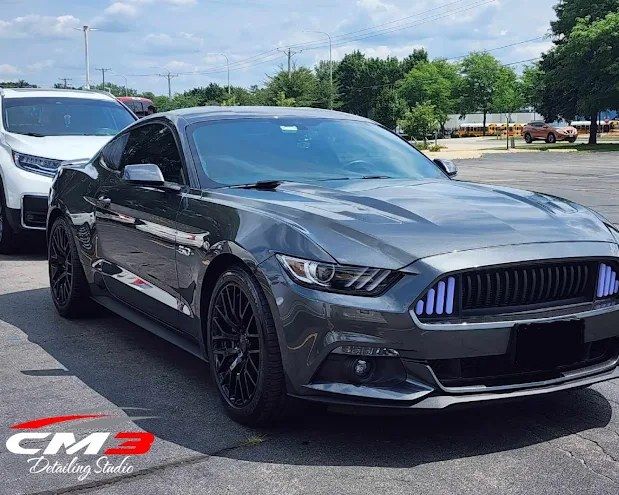
Prolonged UV exposure causes materials like leather to crack, dashboards to fade, and plastic trim to become brittle over time. Quality window tint blocks a significant portion of these harmful rays, helping slow this aging process. There's also a health consideration: UV exposure while driving contributes to skin aging and long-term skin health risks for drivers who spend significant time behind the wheel, and quality tint can meaningfully reduce this exposure. Tinted windows also reduce glare from bright sunlight, improving visibility and reducing eye strain, particularly during dawn or dusk driving.
Beyond performance, tint changes how a vehicle looks. CM3 Detailing Studio & Ceramic Coating's carbon film offers a clean, non-reflective look, while ceramic film maintains excellent clarity with a sleek, refined finish. A well-tinted vehicle signals attentive ownership, and the underlying UV and heat protection can help preserve interior surfaces from the fading that detracts from a car's overall condition.
Installation and Maintenance
Professional installation makes a meaningful difference in how well your tint performs. At CM3 Detailing Studio & Ceramic Coating, our process starts with a full interior glass cleaning and decontamination, since our film adheres to the inside of your windows and windshield. From there, our team measures and aligns each piece of film to your vehicle's specific windows before trimming to those exact measurements, then carefully hand-installs, aligns, and smooths each piece to avoid peeling or bubbling. Once installed, the film needs time to dry and fully adhere, and we recommend regular detailing service afterward to help maintain your tint.
DIY installation kits may seem appealing for their lower cost, but without specialized tools and experience, issues like creases, misalignment, and bubbling are common, which can shorten the tint's effective lifespan.
To help maintain your tint: clean it with a soft microfiber cloth rather than rough sponges or paper towels, avoid ammonia-based cleaners in favor of a mild soap solution or a cleaner formulated for tinted glass, avoid rolling your windows down for several days after installation, periodically inspect for bubbling or lifting edges, and park in shaded areas when possible to reduce thermal stress on the film.
Get Started with Professional Window Tinting
If you're ready to make your summer drives more comfortable and protect your vehicle's interior, the team at CM3 Detailing Studio & Ceramic Coating can help you choose between our carbon and ceramic film options and the right coverage for your vehicle, your climate, and your budget, all while staying fully compliant with Illinois law.
Give us a call at
(630) 400-6766 or fill out our
online contact form to schedule your consultation.
Frequently Asked Questions
Does window tint block UV rays as well as heat from the sun?
Yes. Quality window tint blocks a significant portion of harmful UV rays while also reducing solar heat transfer, helping keep your car cooler and protecting your interior from fading and cracking.
How much can window tint actually lower the interior temperature of a vehicle?
Window tint can meaningfully reduce interior temperature on a hot day by blocking UV rays and reducing solar heat gain, helping keep dashboards, upholstery, and other surfaces from taking on excess heat.
How does window tint compare to sunshades in keeping a car cool?
Window tint provides continuous, all-day heat rejection by blocking solar energy before it enters the cabin, while sunshades only address heat after it's already come through the windshield.
What's the difference between carbon and ceramic window tint?
Both offer solid heat rejection, UV resistance, and a clean appearance without interfering with electronics. Ceramic film is the higher-performing option, offering the strongest infrared heat rejection, UV protection, and glare reduction.
Are there any drawbacks or legal restrictions related to dark window tints?
Yes. Illinois limits how dark tint can be depending on your vehicle type, and reflective tint isn't permitted on any vehicle. Going darker than legally allowed can result in fines or required removal, and very dark tints can also reduce nighttime visibility.