Fall Paint Prep: Why Autumn Is the Ideal Time for Ceramic Coating Your Vehicle
When it comes to protecting your car's paint, timing matters. Autumn offers surprisingly good conditions for ceramic coating that help your vehicle's finish stay protected longer. Cooler temperatures and lower humidity allow the coating to cure properly, without the risk of curing too fast or too slow, helping you avoid streaks or weak bonding. Getting your car coated before winter also gives it a strong shield against the salt, slush, and grime that Illinois winters bring.
Autumn's moderate temperatures and lower humidity create favorable conditions for ceramic coating to cure properly and bond with your vehicle's paint. Fall's reduced exposure to pollen and extreme UV also helps support a longer-lasting, cleaner finish after proper paint prep and coating application.
Why Autumn Is a Strong Time for Ceramic Coating
Ceramic coatings need a careful curing process. Too much heat can cause the coating to dry unevenly and trap impurities, while cold temperatures can slow curing enough to risk weak bonding or surface blemishes. Autumn's moderate temperature range gives the coating a stable environment to bond with your vehicle's paint, supporting a longer-lasting, glossy finish and helping prevent issues like trapped moisture that can occur during spring rains or summer heat.
Timing your coating with autumn is also strategic for preparing your car against winter conditions. Once your vehicle is coated, you build in a layer of defense before snow, slush, and road salt start affecting your paintwork. Ceramic coatings are hydrophobic, helping repel water and contaminants like grime or bird droppings, which can reduce the risk of corrosion during winter months. Their UV-blocking properties also continue protecting against sun damage even during lower winter sun exposure.
Fall's seasonal advantages include:
- Optimal curing conditions: balanced temperature and humidity support a stronger bond
- Winter-ready protection: a shield against road salt, ice, and grime before winter arrives
- Longer-lasting gloss: the coating holds its shine despite harsher outdoor conditions
- Easier cleaning: dirt and slush wash off more easily thanks to the hydrophobic effect
At CM3 Detailing Studio & Ceramic Coating in Elgin, Illinois, our technicians understand these seasonal dynamics and apply premium ceramic coatings using certified techniques suited to our local climate, so your vehicle is protected against the environmental challenges the colder months bring.
Weather Conditions Ideal for Coating
The success of your ceramic coating depends on getting the temperature and humidity balance right. Applying the coating in moderate conditions allows it to cure evenly, without rushing or stalling. Humidity matters too. When it climbs too high, moisture can cling to your car's surface as condensation, interfering with proper bonding and reducing the coating's durability and protective qualities.
To prepare for this process, it's best to avoid applying coatings under direct sunlight or during early mornings when dew is present. Scheduling with experienced professionals who work in controlled environments helps avoid these complications, and maintaining stable conditions during the initial curing period supports full hardness and consistent results.
Preparing Your Vehicle
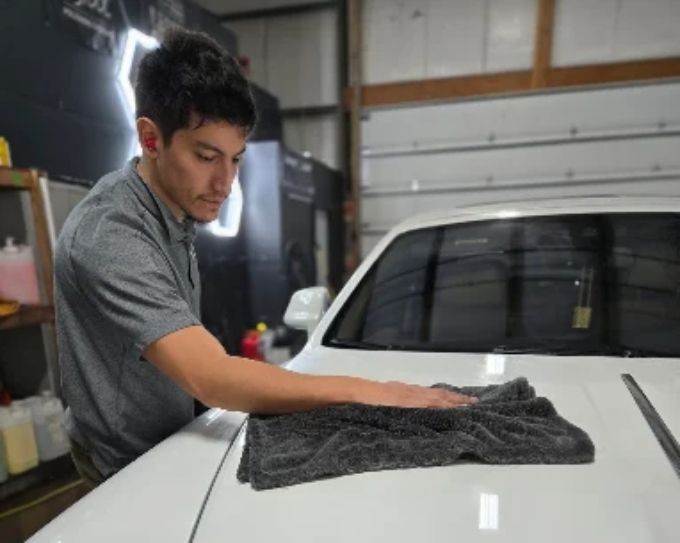
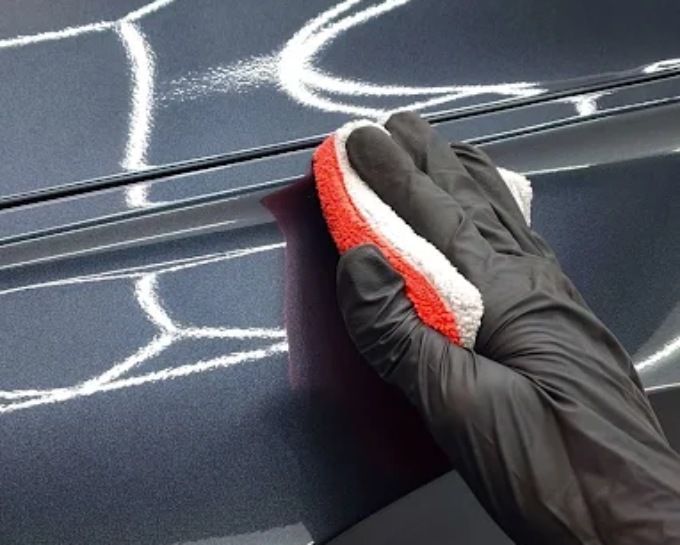
Proper preparation is essential to a coating that bonds and performs well:
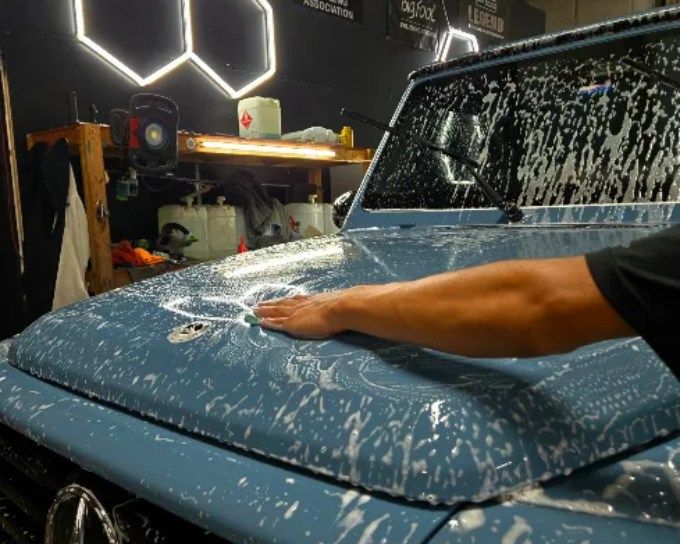
- Thorough wash: a pH-balanced car shampoo cleans deeply without stripping existing protective layers, removing dirt, road grime, and surface pollutants
- Clay bar treatment: lifts microscopic contaminants embedded in the paint, like iron particles or tree sap residue, that regular washing can miss, creating a smoother surface
- Paint correction: addresses minor scratches or swirl marks through careful polishing, so imperfections aren't sealed beneath the coating
- Isopropyl alcohol wipe-down: removes any remaining oils or residue that could interfere with the coating's ability to bond tightly with the paint
At CM3 Detailing Studio & Ceramic Coating, our team follows each of these steps using certified techniques to prepare the surface properly before application.
Key Benefits of Ceramic Coating
Ceramic coating changes how your vehicle interacts with the elements:
- Hydrophobic protection: water beads up and rolls off rather than sitting on the surface, reducing water spots and making cleaning easier
- UV protection: helps shield paint from fading and dulled color caused by sun exposure, outperforming standard waxes
- Deeper gloss and clarity: gives your paint a more vivid, well-maintained appearance
- Easier maintenance: dirt, road salt, bird droppings, and tree sap have a harder time sticking to a coated surface, which matters heading into a season with more road grime
- Stronger durability: lasts years rather than requiring reapplication every few months, like traditional wax
Ceramic Coating Versus Traditional Waxing


Traditional waxing offers a glossy finish and some temporary protection, but it fades relatively quickly and needs frequent reapplication. Ceramic coating forms a stronger bond with your paint, creating a hydrophobic barrier that resists water spots, UV rays, chemical stains, and minor scratches for a considerably longer period, with far less ongoing maintenance required. The upfront cost is higher than waxing, but the durability and reduced upkeep make it a strong long-term investment, particularly for vehicles regularly exposed to harsh conditions like Illinois's winter road salt.
Maintenance Tips for Optimal Results
- Avoid washing or exposing your vehicle to harsh weather for several days after application, to allow the coating to fully cure
- Use pH-neutral shampoos for regular washing to preserve the coating's hydrophobic properties
- Avoid abrasive brushes or harsh chemicals, which can wear down the coating prematurely
- Keep up with regular upkeep to extend the coating's lifespan and maintain its finish through every season
Protect Your Vehicle This Fall
If you're ready to get your vehicle protected before winter arrives, our team at CM3 Detailing Studio & Ceramic Coating offers professional ceramic coating service in Elgin built around proper prep, careful application, and the seasonal advantages fall provides.
Give us a call at
(630) 400-6766 or fill out our
online contact form to schedule your appointment before the winter weather sets in.
Frequently Asked Questions
What surface preparation steps are crucial before applying ceramic coating in autumn?
Before applying ceramic coating in autumn, it's important to thoroughly wash and decontaminate your vehicle's surface to remove dirt, tar, and old wax. This is typically followed by a clay bar treatment to lift embedded particles and paint correction to address any swirl marks or imperfections before the coating goes on.
How long does ceramic coating typically last when applied in the autumn?
Ceramic coating can last several years with proper care. Applying it during cooler, moderate weather can support more effective bonding, which contributes to a longer-lasting, more durable finish.
How does cooler fall weather benefit the application of ceramic coatings?
Cooler fall weather helps prevent the coating from curing too quickly, which can cause streaking, while also avoiding the slower cure and weaker bonding that comes with very cold conditions. This balance supports a smoother, more even, and more durable finish.
Are there specific advantages to coating cars during the fall season compared to other times of the year?
Fall's combination of moderate temperatures and lower humidity supports better curing than the extremes of summer heat or winter cold. It also comes just ahead of the season when road salt, slush, and grime become more common, making it a practical time to add a protective layer.
What maintenance tips should be followed after applying ceramic coating in cooler seasons?
After application, keep your vehicle clean with regular, gentle washes using pH-neutral shampoos to preserve the coating's hydrophobic properties. It's also best to avoid washing in freezing temperatures to prevent water spots and to steer clear of areas with heavy road salt or grime buildup when possible.