Ceramic vs. Dyed vs. Carbon Window Tint: Which Type Is Best? Pros and Cons Explained
Choosing the right window tint for your car is not always straightforward. Ceramic, carbon, and dyed films each perform differently in terms of heat control, UV protection, durability, and cost. This guide breaks down the key differences so you can find the right balance between comfort, protection, and budget.
At a glance:
- Ceramic tint offers superior heat rejection, UV protection, and optical clarity with long-term durability and no signal interference.
- Carbon tint provides strong UV resistance and reliable heat rejection with better color stability than dyed films, at a moderate price point.
- Dyed tint is the most affordable option, primarily reducing visible light for privacy and aesthetics, but with limited heat and UV protection and a shorter lifespan.
Comparing the Three Tint Types
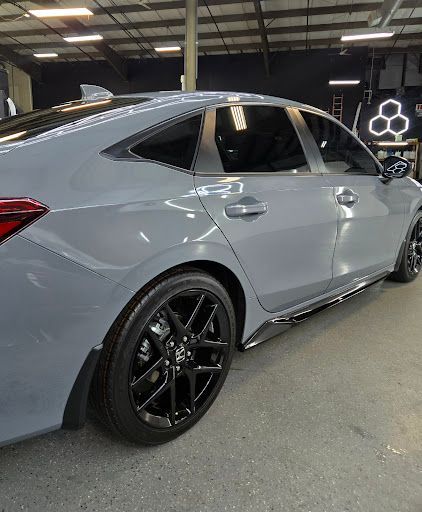
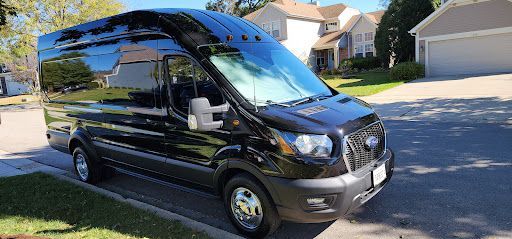
Ceramic tint represents the most advanced technology available in window film. Its non-metallic construction blocks a high percentage of UV rays and infrared heat, keeping cabin temperatures lower and protecting interior materials from fading and cracking over time. Because ceramic films contain no metal, they do not interfere with GPS, cell phones, or driver-assist systems, and they maintain exceptional optical clarity, including reduced glare during nighttime driving.
Carbon tint sits in the middle of the performance spectrum. Carbon particles embedded in the film provide meaningful UV blocking and improved heat rejection compared to dyed alternatives. Carbon tints maintain a stable matte black finish without fading or developing discoloration over time, and they contain no metallic elements that could disrupt electronics. They offer a reliable step up from dyed film without the premium cost of ceramic.
Dyed tint is the most budget-friendly entry point. Dyed films work primarily by absorbing solar energy, which limits their effectiveness at rejecting heat and UV radiation compared to the other two options. Over time, sun exposure causes the dye to fade or develop a purplish cast, reducing both performance and appearance. They are well-suited to drivers whose priority is privacy or a darker aesthetic on a limited budget.
How the Three Tint Types Compare
| Feature | Ceramic Tint | Carbon Tint | Dyed Tint |
|---|---|---|---|
| Heat Rejection | Highest | Moderate to strong | Limited |
| UV Protection | Highest | Strong | Basic |
| Durability | Longest lasting | Solid, mid-range lifespan | Most prone to fading |
| Appearance | Clear, non-reflective | Matte black finish | Glossy finish |
| Signal Interference | None | None | None |
| Price | Highest | Mid-range | Most affordable |
Pricing varies by installer, vehicle size, film brand, and coverage area. Contact CM3 Detailing Studio for a personalized quote.
UV Protection, Heat Rejection, and Driving Comfort
UV rays are the primary cause of interior fading, cracking, and discoloration in dashboards, seats, and trim, and they contribute to skin damage during prolonged driving. Infrared radiation carries most of the sun's heat energy and is responsible for raising cabin temperatures on hot days. A film that effectively blocks both makes a meaningful difference in comfort, interior longevity, and reduced air conditioning load.
Ceramic tints lead across both categories, offering the highest UV and infrared blocking performance available in consumer window film. The result is a noticeably cooler cabin on hot days, reduced glare from sunlight and oncoming headlights, and less eye strain on long drives. For drivers in the Elgin area who face intense summer heat and glare, this performance advantage is felt on every commute.
Carbon tints deliver solid UV protection and meaningful heat rejection, outperforming dyed films in both areas. They reduce cabin heat and glare reliably, though generally not to the same degree as ceramic. Dyed tints offer the most limited performance in both UV and heat rejection, and glare reduction is moderate at best, which may not be sufficient for drivers sensitive to bright light or extended sun exposure.
Durability and Longevity
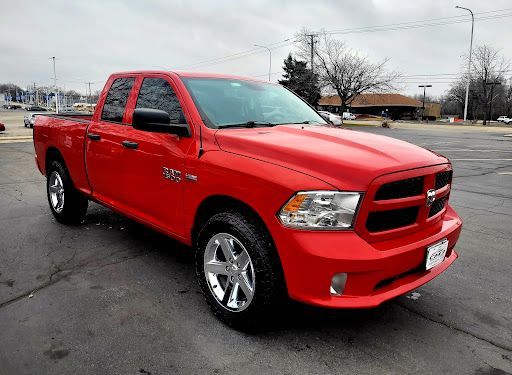
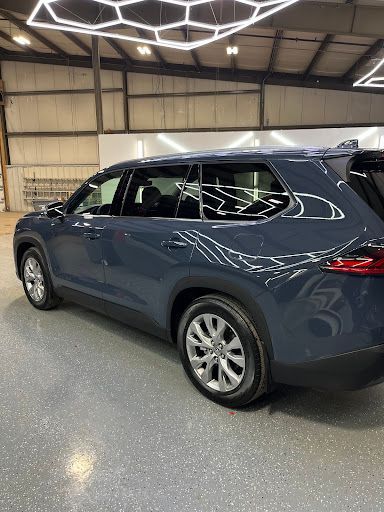
Ceramic tints set the highest standard for long-term durability. Their construction resists fading, discoloration, and surface wear far better than other options, and many manufacturers back them with long-term or lifetime warranties. For Elgin-area drivers navigating conditions that range from intense summer sun to harsh Midwestern winters, this resilience is particularly valuable.
Carbon tints offer solid durability with good resistance to fading and color shift. Their stable matte finish holds up well over time, making them a reliable mid-range option for drivers who want lasting performance without the highest-tier investment.
Dyed tints have the shortest effective lifespan. The dye layer degrades more quickly under UV exposure and heat, leading to visible fading, uneven coloring, and in some cases bubbling or peeling as the adhesive deteriorates. They are economical upfront but may require earlier replacement, which can offset initial savings.
Proper aftercare during the curing period after installation also plays an important role in how well any tint film performs over time, regardless of type.
Vehicle Compatibility
The right tint depends in part on what your vehicle requires. Modern vehicles equipped with GPS navigation, backup cameras, collision sensors, and wireless systems benefit most from ceramic or carbon tints, as both are non-metallic and will not interfere with electronic signals. Luxury and high-performance vehicles are natural fits for ceramic, given its combination of superior protection, optical clarity, and long-term durability.
Everyday commuter vehicles and SUVs are strong candidates for carbon tint, which balances performance with practical pricing for daily driving. Older or leased vehicles where long-term durability is less of a priority may be well-served by dyed film if the primary goal is a darker appearance or basic privacy.
Choosing the Best Tint for You
If heat rejection and long-term comfort are your top priorities, ceramic is the clear choice. It delivers the strongest protection, the best optical clarity, and the longest lifespan, making it a sound investment for drivers in the Elgin area who want a lasting solution.
If you want reliable performance at a more moderate investment, carbon tint offers a well-rounded option with meaningful heat rejection, strong UV protection, and durable color stability without the premium cost.
If your primary concern is appearance and budget, dyed tint is an accessible entry point for privacy and a darker aesthetic, best suited to milder conditions or short-term vehicle ownership.
One important factor for all three options is the Illinois tinting law. The state specifies visible light transmission requirements that vary by window location and vehicle type. The team at CM3 Detailing Studio is familiar with these requirements and can guide you toward a compliant window tint option that meets both your performance goals and local regulations.
Ready to Protect Your Vehicle?
Contact CM3 Detailing Studio & Ceramic Coating in Elgin, IL, at (630) 400-6766 or fill out our online form to schedule your window tint consultation.
Frequently Asked Questions
How does ceramic window tint compare to dyed and carbon in terms of heat rejection?
Ceramic delivers the strongest heat rejection of the three, blocking the highest proportion of infrared radiation. Carbon outperforms dyed in most conditions. Dyed tint primarily reduces visible light rather than actively blocking solar heat, making it the least effective option for drivers in warm climates.
How do costs differ across the three tint types?
Dyed tints are the most affordable and suit drivers focused on appearance or basic privacy. Carbon falls in the mid-range and offers a meaningful performance upgrade. Ceramic is the highest-cost option, reflecting its advanced materials and long-term durability. Actual pricing varies by vehicle, coverage area, and film brand. Contact CM3 Detailing Studio for an accurate quote.
Which type offers the best UV protection?
Ceramic provides the highest level of UV protection, shielding both occupants and the vehicle's interior from UV-related damage. Carbon tints also offer strong UV protection, though generally not at the same level as ceramic. Dyed tints provide the most basic UV defense of the three.
Which tint is best suited for different climates or vehicle types?
Ceramic is the strongest performer in hot climates and for vehicles with advanced electronics. Carbon suits a broad range of vehicles and conditions. Dyed film is best reserved for milder climates or budget-first situations. The team at CM3 Detailing Studio can help match the right film to your vehicle and local driving conditions.
What are the durability differences among the three tint types?
Ceramic tints are the most durable, with many backed by long-term manufacturer warranties. Carbon offers solid mid-range durability with good resistance to fading. Dyed tints have the shortest lifespan and are most susceptible to color shift and adhesive failure over time, particularly with regular sun exposure.