Why Cheap Window Tint Turns Purple: Causes, Fading Issues, and Tips to Avoid It
Window tinting your car seems like a simple upgrade, but many vehicle owners are caught off guard when their tint starts turning a strange purple color over time. What causes this, and more importantly, how can you avoid it?
After helping hundreds of customers choose the right tints and seeing firsthand what goes wrong with low-quality films, we want to break down exactly why cheap window tint fades this way and how you can protect your vehicle for the long haul.
The short answer: Cheap window tint turns purple because inferior organic dyes break down under prolonged UV exposure. The yellow dye fades first, leaving behind red and blue components that blend into that unmistakable purple hue. To avoid it, choose high-quality ceramic or carbon window tints with UV stabilizers and ensure professional installation on properly prepared glass.
What Causes Cheap Window Tint to Turn Purple?
Cheap dye-based tints rely on organic dyes mixed into a polyester film. Over time, the sun's ultraviolet rays degrade these dyes, starting with the yellow pigment. Once yellow fades, the remaining red and blue components combine, producing that tell-tale purple shift.
This isn't just a cosmetic issue. As the film's chemical structure breaks down, so does its ability to block UV rays and reduce heat, leaving your interior vulnerable to sun damage, fading upholstery, and higher cabin temperatures.
Heat and environmental ozone accelerate this process further. Without protective UV stabilizers, which reputable premium brands include as standard, cheap tints lose their integrity relatively quickly.
The Adhesive Problem
Low-quality films also use inferior adhesives that deteriorate under heat and UV exposure. This creates tiny gaps between the film and glass where moisture and air become trapped, forming bubbles. Once bubbling sets in, the structural bond is compromised and peeling edges follow.
This is especially common where extreme temperature swings between winter and summer put constant thermal stress on fragile adhesives. At that point, full replacement is typically the only reliable fix.
Why This Matters Beyond Appearance
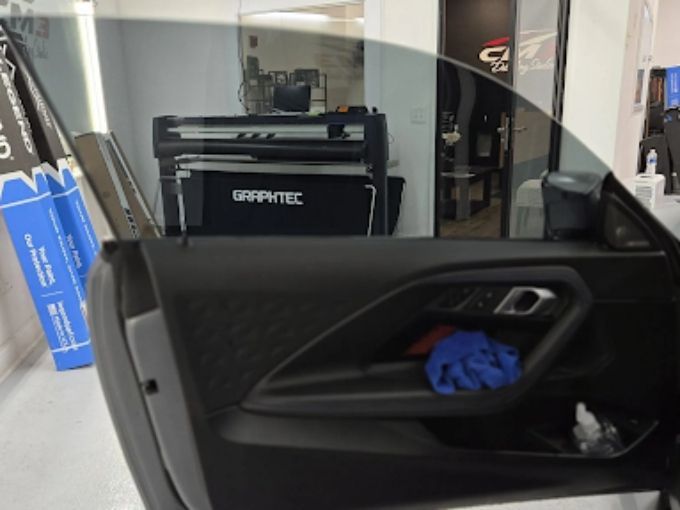
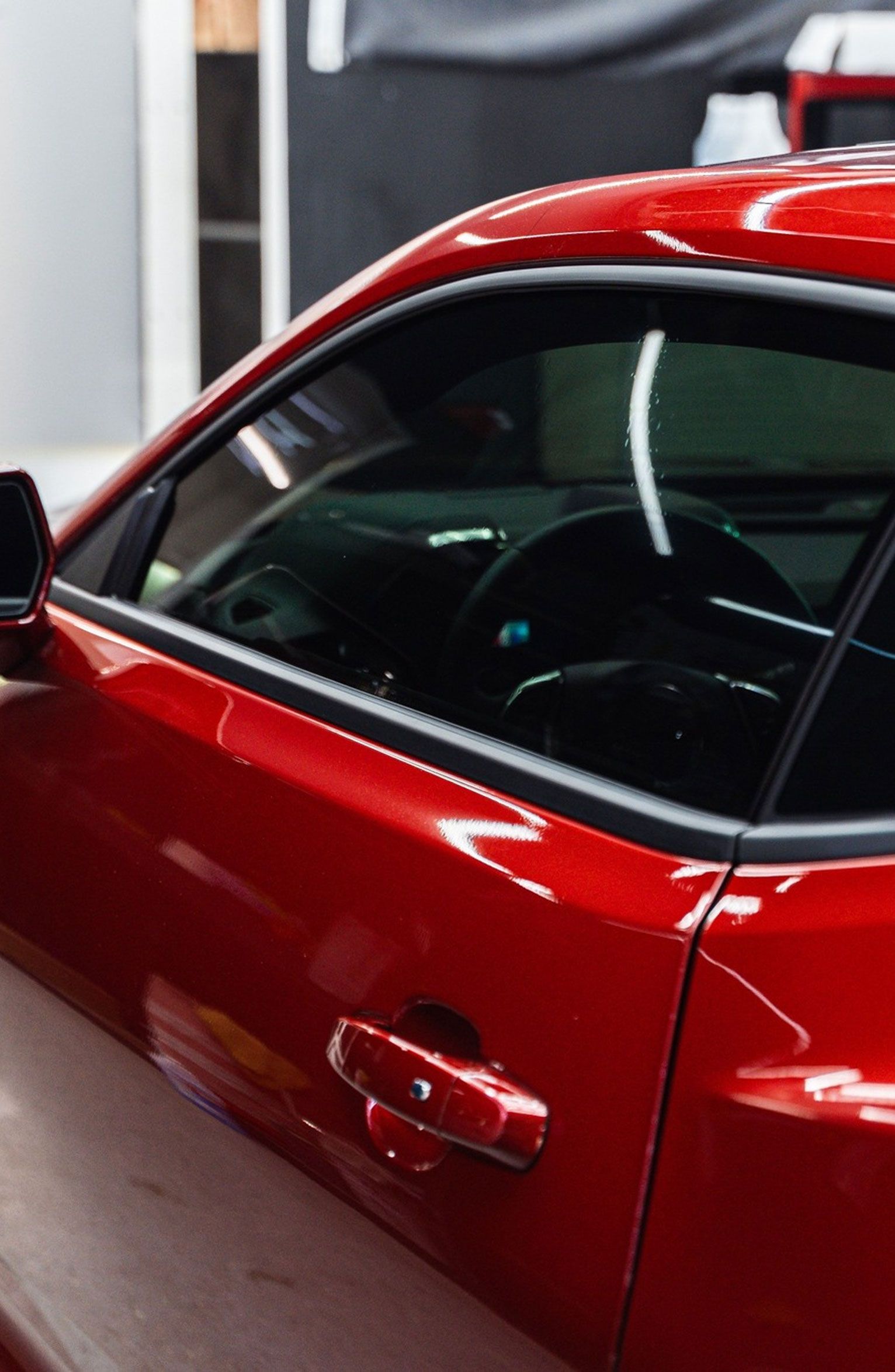
Discolored tint affects more than your car's look. A purple or faded film scatters light unevenly, reducing clarity through your side and rear windows, particularly at night. What starts as an aesthetic flaw can quietly become a safety concern.
There is also a legal consideration. Illinois regulates the minimum Visible Light Transmission (VLT) allowed on car windows. When tint peels, bubbles, or fades unevenly, it can alter your windows' effective VLT. Non-compliant tint can result in fines or mandatory removal, turning an upfront "deal" into a much more expensive problem.
How to Avoid Purple Tint Fading
The solution starts with the film you choose and the installer you trust.
Choose ceramic or carbon-based films. These use advanced UV blockers and stable compounds that maintain color and performance for many years, unlike dyed films that begin degrading relatively quickly.
Use a certified professional installer. Proper glass preparation and precise application are just as important as the film itself. Even a premium film will underperform if applied on unclean glass or without adequate curing time.
Maintain your tint correctly. Use mild, ammonia-free cleaners and soft microfiber cloths. Ammonia-based products break down both the film and its adhesive over time. Inspect your windows periodically for early signs of bubbling or edge lifting and address issues before they worsen.
Limit unnecessary sun exposure. Parking in a garage or shaded area when possible, and using a windshield sunshade during peak hours, reduces UV stress on your tint. This is especially important during Illinois summers.
Choosing the Right Film
Not all window tint is built the same. Here is a straightforward breakdown of the most common film types:
Carbon Film is a solid mid-range option. It resists fading well, delivers good UV and heat protection, and won't interfere with GPS or radio signals.
Ceramic Film is the premium choice. It provides the highest levels of UV rejection and infrared heat blocking, maintains color stability for many years, and is the most durable option available. The higher upfront investment consistently pays off in long-term performance and avoided replacement costs.
When evaluating options, also look at brand reputation and warranty terms. A comprehensive, long-term warranty is a strong signal of both product quality and installer confidence.
Why Professional Installation Matters
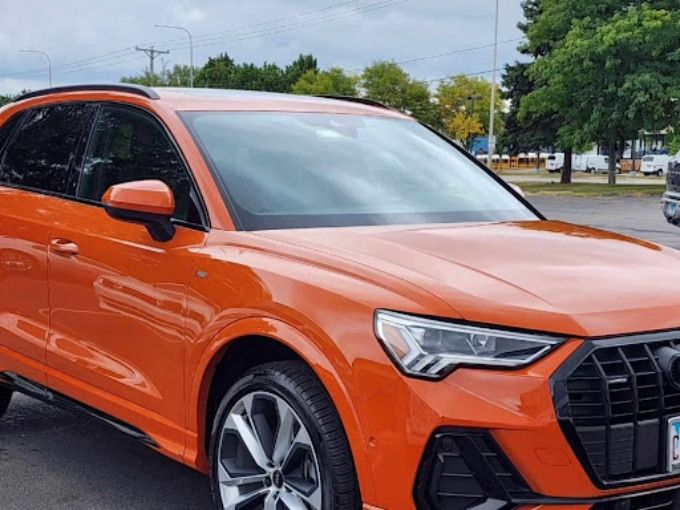
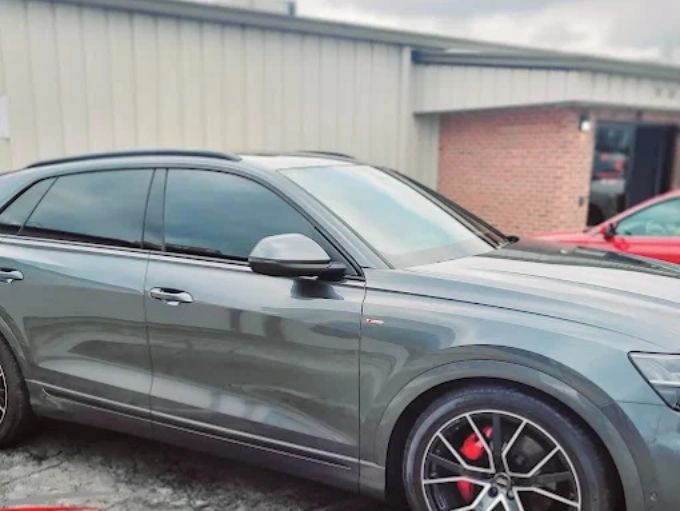
Even the best film fails without proper installation. Certified technicians eliminate air pockets during application, ensure thorough glass preparation, and allow adequate curing time for the adhesive to fully bond. These steps are what separate a tint job that lasts from one that bubbles and peels within a season.
At CM3 Detailing Studio & Ceramic Coating in Elgin, Illinois, our certified team installs only premium-grade window tinting films with the precision and care your vehicle deserves. We serve Elgin and the surrounding communities, including South Elgin, St. Charles, Schaumburg, Barrington, and Hoffman Estates, and we stand behind every installation we perform.
Ready to Protect Your Vehicle the Right Way?
Don't settle for tint that fades, bubbles, or fails ahead of schedule. Invest in a solution that lasts and in a team that takes your vehicle as seriously as you do.
Call or text us at (630) 400-6766, fill out our online form, or stop by our studio in Elgin, IL to book your appointment.
Frequently Asked Questions
Why does cheap window tint turn purple?
Cheap tint uses organic dyes that break down under UV exposure. The yellow dye fades first, leaving red and blue components that create a purple hue. Premium ceramic and carbon films use UV stabilizers that prevent this.
Can bubbling tint be fixed without full replacement?
In most cases, no. Significant bubbling means the adhesive bond has broken down, and smoothing it manually rarely lasts. Prevention starts with quality film and professional installation.
Is window tinting legal in Illinois?
Yes, but Illinois law regulates VLT levels for each window. Faded or peeling tint that alters your windows' effective VLT can result in fines or required removal. Always confirm your installer uses compliant films.
What is the best window tint to avoid fading?
Ceramic film is the top choice for color stability and long-term performance. Carbon film is a strong mid-range option. Both significantly outperform cheap dyed films.
How do I care for my tint after installation?
Allow the full curing period before rolling windows down or washing the vehicle. Clean with a mild, ammonia-free solution and a soft microfiber cloth. Inspect periodically for early signs of bubbling or edge lifting.