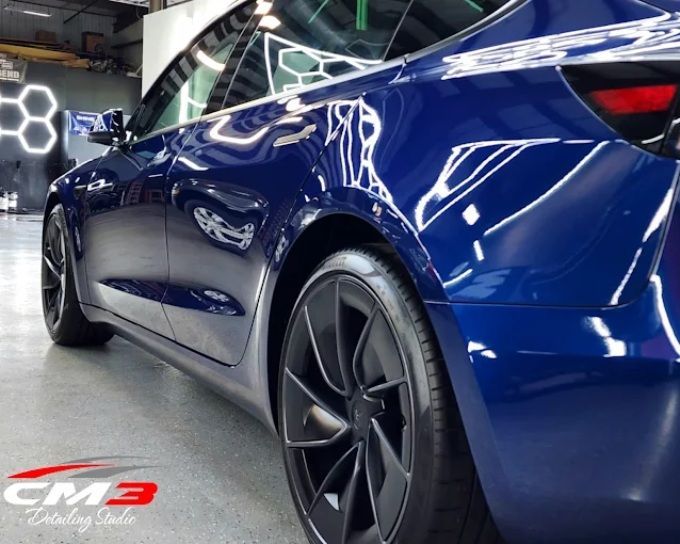
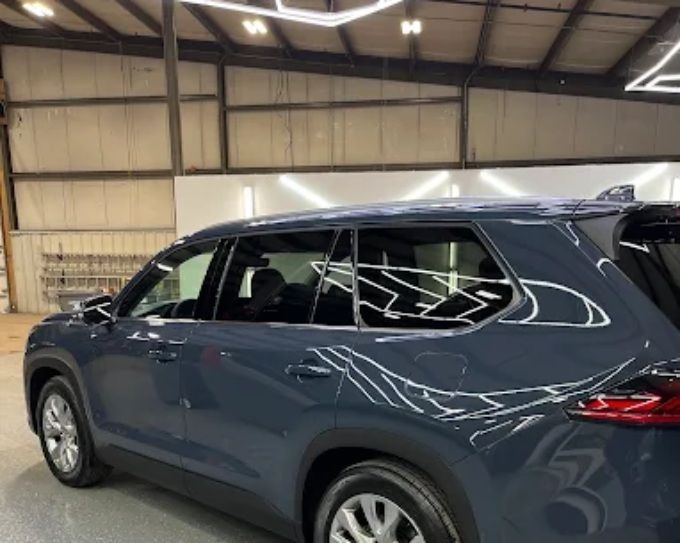
Ceramic Coating: Does It Really Repel Water and Dirt? The Truth Revealed
Ceramic coatings have become one of the most talked-about innovations in car care, promising to keep your vehicle looking pristine by repelling water and dirt. But does this protective layer truly live up to the hype? At CM3 Detailing Studio & Ceramic Coating in Elgin, IL, we work with ceramic coatings every day, so let's break down the facts so you know exactly what to expect before making the investment.
The short answer: yes. Ceramic coating genuinely enhances your vehicle's surface by creating a hydrophobic layer that causes water to bead up and roll off, carrying dirt and grime with it. This makes cleaning easier while helping protect your paint from contaminants, contributing to a longer-lasting, glossy finish.
How Ceramic Coating Works
A ceramic coating is a liquid polymer infused with silicon dioxide (SiO2) that bonds chemically to your car's factory paint. Unlike traditional waxes or sealants that sit on the surface and wash away over time, this bond is semi-permanent, integrating at a microscopic level with the paint itself.
When applied correctly, the coating forms a hard, glass-like layer that acts as invisible armor against acidic bird droppings, UV rays, and environmental contaminants. Its hardness is measured on the pencil hardness scale, and professional-grade products offer meaningful scratch resistance compared to bare paint or wax alone.
Preparation is everything. At CM3 Detailing Studio & Ceramic Coating, proper prep can take several hours of washing, decontaminating, and polishing before the coating ever touches the surface, because any imperfection left behind will compromise the final result.
Water and Dirt Repellent Properties
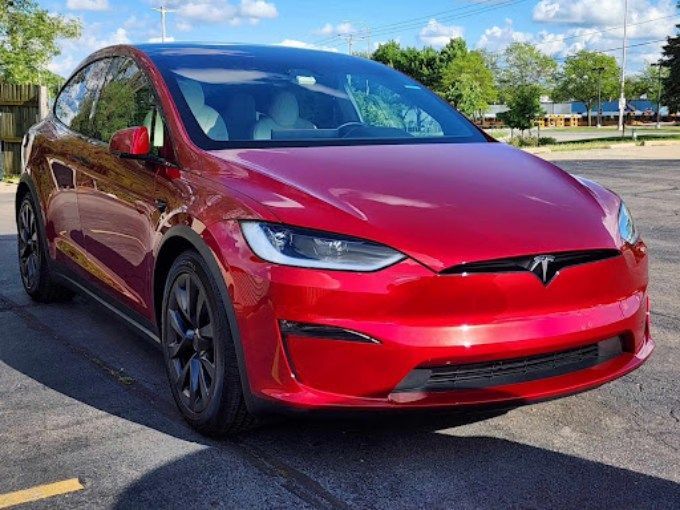
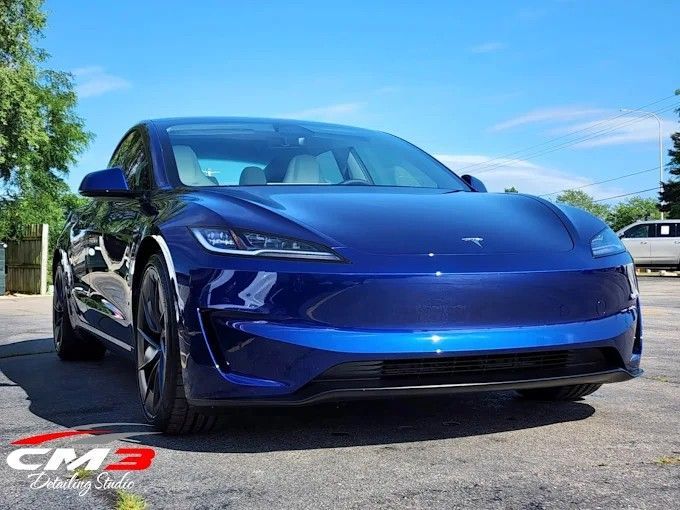
The defining characteristic of ceramic coatings is their hydrophobic nature. On an untreated vehicle, water spreads out and clings, giving dirt and contaminants the perfect surface to bond. With a ceramic coating, water forms tight droplets that roll off quickly, carrying loose debris with them.
Here is how ceramic coating compares to traditional wax:
- Durability: Traditional wax lasts months, while ceramic coating lasts several years
- Hydrophobicity: Traditional wax offers moderate water repellency, while ceramic coating delivers very high hydrophobic performance
- Chemical Resistance: Traditional wax provides low chemical resistance, while ceramic coating provides high resistance
- Maintenance: Traditional wax requires frequent upkeep, while ceramic coating requires minimal ongoing maintenance
Ceramic coatings significantly reduce dirt buildup, but they do not make your car immune to contamination. Think of them as reducing the effort required rather than eliminating it entirely.
Protective Benefits Against Contaminants
Ceramic coatings form a durable barrier against everyday environmental hazards.
Bird droppings contain acids that etch into clear coats quickly if left unattended. A ceramic coating buys critical time because acidic substances sit on top of the coating rather than bonding directly with your paint, making them easier to remove before damage sets in.
Tree sap struggles to cling to a coated surface, making routine washes less laborious and reducing wear caused by scrubbing hardened residue.
Acid rain and road salts, particularly relevant in Illinois winters, are significantly mitigated by the chemically resistant barrier a quality coating provides. According to theU.S. Environmental Protection Agency, acidic particles corrode metal and cause paint to deteriorate more quickly, making proactive paint protection an important part of long-term vehicle care.
UV exposure causes fading and chalking over time. Ceramic coatings act as a sacrificial shield, protecting the underlying clear coat and helping your paint stay vibrant longer.
The Application Process
Applying a ceramic coating correctly is a precise, multi-step process. Here is what it involves at CM3 Detailing Studio & Ceramic Coating:
- Surface Preparation: A thorough wash removes all loose debris and ensures the paint is ready for proper bonding
- Contaminant Removal: A clay bar treatment eliminates embedded particles that a standard wash cannot reach
- Paint Correction: Polishing compounds smooth out imperfections and swirl marks so the coating bonds evenly
- Coating Application: Thin, even layers are applied in small sections to ensure a uniform bond and consistent durability
- Flash and Buff: The coating is allowed to briefly bond before excess residue is carefully buffed away
- Curing Period: The vehicle is kept away from water and harsh elements for several days, allowing the coating to reach full hardness
Every step matters. Shortcuts at any stage compromise the coating's bond, longevity, and appearance.
Maintenance and Care Tips
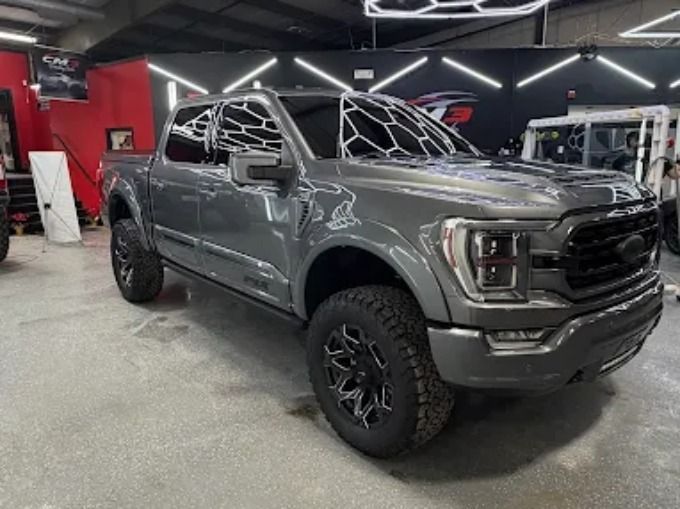
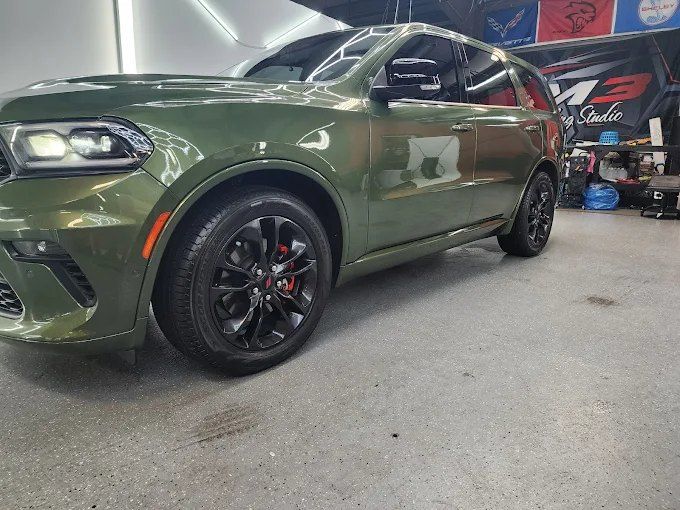
Ceramic coatings are durable but not maintenance-free. A few consistent habits protect your investment long-term.
- Wash regularly with a pH-neutral car shampoo every two to four weeks to keep the surface clean without breaking down the ceramic layer
- Avoid automatic car washes, as rotating brushes apply abrasion that gradually degrades even high-quality coatings
- Use ceramic-specific maintenance sprays after each wash to restore hydrophobic properties between professional detail sessions
- Schedule periodic clay bar treatments once or twice a year to remove bonded contaminants without harming the coating beneath
Illinois weather, including extended sun, acid rain, and heavy road salts, makes these habits especially important. Parking in a garage or shaded area when possible also meaningfully reduces coating degradation over time.
Common Myths About Ceramic Coating
Ceramic coating is not scratch-proof. It resists light surface abrasions but will not stop rock chips or deep scratches. For physical impact protection, Paint Protection Film (PPF) is the right solution.
It is not maintenance-free. Regular care is essential to preserve performance. Neglecting washing or using the wrong products will degrade the coating over time.
Not all coatings are the same. Professional-grade coatings and retail spray-on products are not equivalent. A certified installer who assesses your vehicle's specific needs and applies the product under controlled conditions produces results that retail products simply cannot match.
Why CM3 Detailing Studio & Ceramic Coating Does Things Differently
At CM3 Detailing Studio & Ceramic Coating, every vehicle is treated as an individual project. We assess your paint's condition, walk you through the process, and make sure you understand exactly what to expect. Our team is certified in professional ceramic coating application, and we work in a controlled environment using professional-grade products.
The service does not end when you drive away. We provide every client with clear guidance on coating care and maintenance, because a well-maintained coating is a long-term investment and we are committed to helping you protect it.
Ready to Protect Your Vehicle?
Ceramic coatings deliver real, lasting protection when applied correctly and cared for properly. At CM3 Detailing Studio & Ceramic Coating in Elgin, IL, every installation reflects the same standard: thorough preparation, certified application, and a commitment to results that last.
Contact us at (630) 400-6766 or book your appointment online for a free consultation today.
Frequently Asked Questions
How long does the water and dirt repellent effect typically last?
The longevity of a ceramic coating depends on the quality of the product and how well it is maintained. Professional-grade coatings applied by a certified installer generally last significantly longer than consumer-grade alternatives. Regular washing and avoiding abrasive products help preserve the coating's performance over time.
How does ceramic coating create a hydrophobic surface?
Ceramic coating forms a chemically bonded layer of silicon dioxide (SiO2) on your paint that reduces surface energy, causing water to bead up and roll off rather than spreading and clinging. This is what makes coated vehicles so much easier to keep clean.
Can ceramic coating prevent staining or etching from environmental pollutants?
Ceramic coatings provide a chemically resistant barrier that makes contaminants easier to remove before they cause damage. While they significantly reduce the risk of staining and etching from bird droppings, tree sap, and road grime, they are not impervious. Prompt cleaning and regular maintenance remain important.
Are professional ceramic coatings better than retail options?
Yes. Professional-grade coatings differ from retail products in formulation strength, application requirements, and durability. At CM3 Detailing Studio, we use professional-grade products applied under controlled conditions by certified technicians, which produces results that consumer spray-on products cannot replicate.