Full-Front vs. Full-Body PPF Coverage: Comparison, Benefits, and Which Is Right For You
Choosing the right paint protection film for your car often comes down to one question: protect just the front, where most damage happens, or cover the entire vehicle? Both options have their place depending on how and where you drive, what kind of vehicle you own, and your budget. Below, we break down what each PPF coverage type includes, how they compare in cost and installation, and which might be the better fit for your needs.
Full-front PPF protects the most vulnerable areas, like the front bumper, hood, and fenders, offering cost-effective defense against road debris and chips, ideal for daily drivers. Full-body PPF protects all painted surfaces and is best suited for luxury or specialty vehicles where maximum, long-term paint preservation is the priority. If you're researching paint protection film in Elgin, understanding these two coverage levels is the first step to choosing the right option for your vehicle.
Full-Front vs. Full-Body PPF Coverage
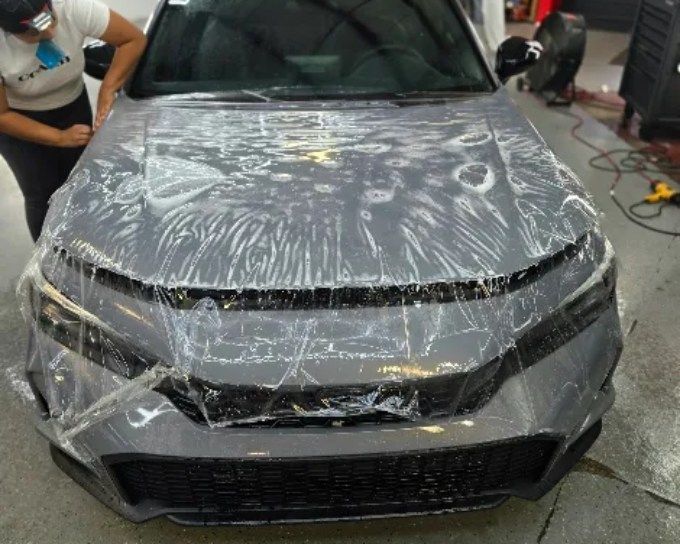
Full-front PPF, sometimes referred to as a clear bra, focuses on the sections that take the brunt of road hazards during daily driving: the front bumper, hood, side mirrors, and leading fender edges, areas that face constant exposure to gravel, insects, and general road debris. It's a practical solution for drivers who want reliable protection against common wear without the larger investment of full-body coverage.
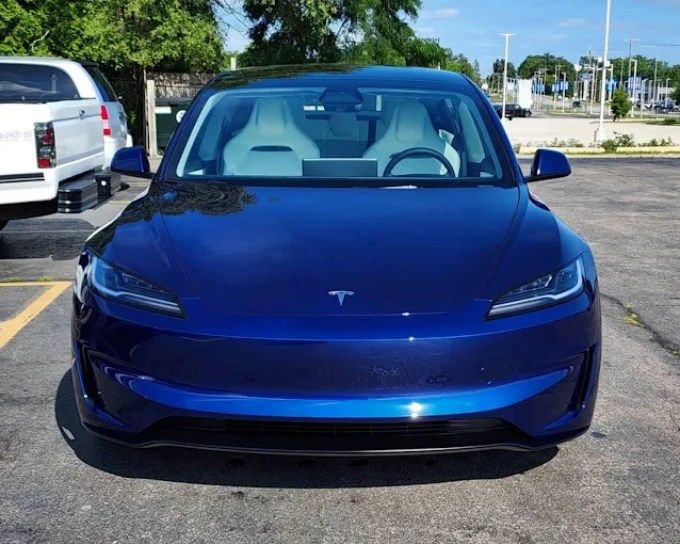
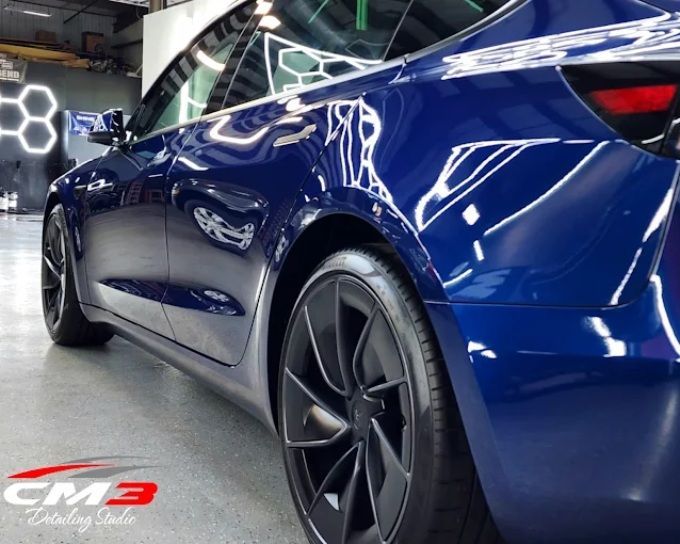
Full-body PPF extends that same protection to every painted surface, from roof to rocker panels, doors to rear quarter panels. This comprehensive approach guards against a wider range of threats, from parking lot dings to chemical stains like bird droppings or acid rain etching. For luxury vehicles or specialty finishes such as matte or metallic paint, full-body coverage is often essential for maintaining a flawless factory finish over time.
Full-body installations take considerably longer than front-only coverage, since fitting curves, door edges, and contiguous panels demand more time and precision, which is a key reason full-body PPF represents a larger investment. It also tends to come with added benefits like hydrophobic top coats that repel dirt and water, along with self-healing properties that smooth out minor scratches over time.
At CM3 Detailing Studio & Ceramic Coating in Elgin, Illinois, we help clients evaluate their driving environment and priorities to find the right PPF coverage, whether that's a clear bra focused on front impact areas or full-vehicle film offering defense across every panel. Pairing paint protection film with professional ceramic coating can further support durability and shine.
Key Coverage Zones
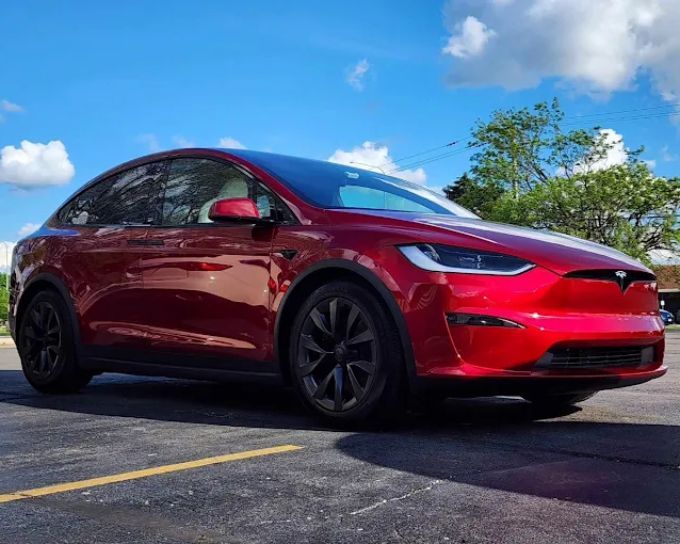
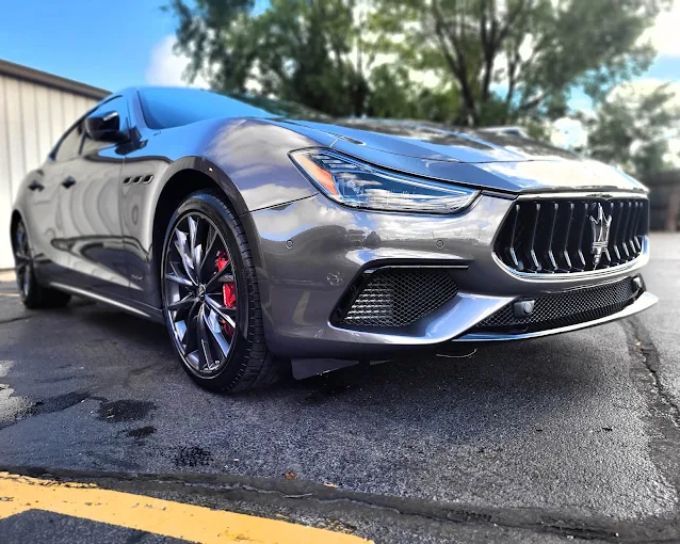
Full-front PPF centers on the areas that face the most daily risk: the front bumper (the first line of defense against road debris), the hood (a broad, exposed surface prone to chips and bug splatter), the side mirrors (vulnerable to branch contact and tight parking spots), and the leading fender edges (prone to chipping from kicked-up stones). This front-end zone is exactly what most people mean when they ask about a clear bra in Elgin.
Full-body PPF extends protection to nearly every painted surface, including the doors (guarding against parking lot dings), the roof (defending against acid rain, bird droppings, and UV-related fading), and the rear quarters and rocker panels (which take the brunt of road grime and salt exposure).
For drivers mainly concerned with highway debris and front-end damage, full-front PPF hits the sweet spot between protection and price. For those focused on preserving every inch of their paintwork long-term, especially on vehicles with rare or specialty finishes, full-body coverage offers more complete peace of mind.
Protection, Durability, and Cost
The amount of surface covered directly affects how well your paint resists damage over time. Full-body PPF shields the entire vehicle from everyday hazards like flying gravel, UV exposure, and contaminants, while a front-only clear bra effectively guards against "first contact" incidents in the highest-risk zones but leaves other panels exposed to gradual wear.
Some advanced films include a heat-responsive, self-healing topcoat that smooths out minor scratches using warmth from the sun or engine heat. Full-body installations make the most of this feature across the whole vehicle, while front-only coverage limits the benefit to a smaller area.
On cost, full-front PPF generally represents a smaller investment, reflecting both less material and a shorter installation window. Full-body coverage costs more, but protects considerably more surface area and can meaningfully extend the life of your factory finish. In both cases, quality installation matters as much as the film itself. A rushed job can lead to bubbling or premature yellowing, which is why working with an experienced installer matters. A paint correction step is also typically needed before installation to ensure the best possible adhesion and clarity.
Installation Process
Proper PPF installation starts with a thorough wash and decontamination to create a clean surface, since any dirt or residue can affect adhesion. The film is then precisely cut, often using software mapped to your vehicle's exact dimensions, before being applied using a wet installation method that allows the installer to position it correctly and squeegee out air and moisture for a bubble-free finish.
Full-body coverage applies this same careful process across every panel, which takes considerably longer due to the added curves, seams, and attachment points involved. Full-body installs also often include a paint correction step to restore a flawless surface beneath the film. At CM3 Detailing Studio & Ceramic Coating, our team works to keep seams virtually invisible, especially important on darker vehicles.
Decision Factors
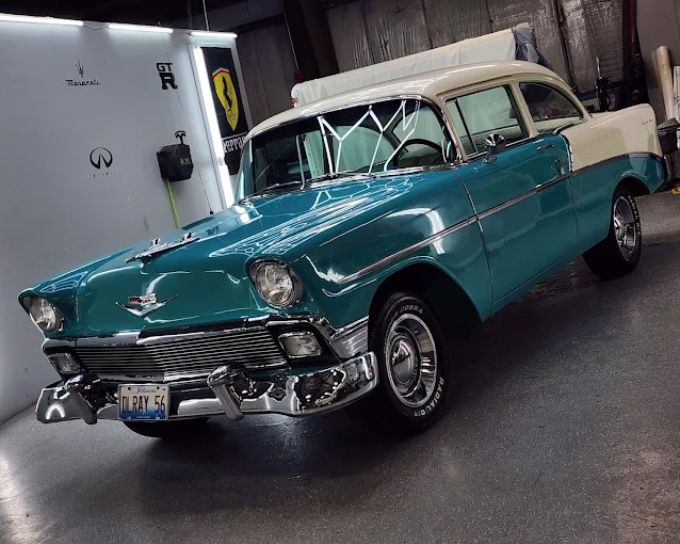
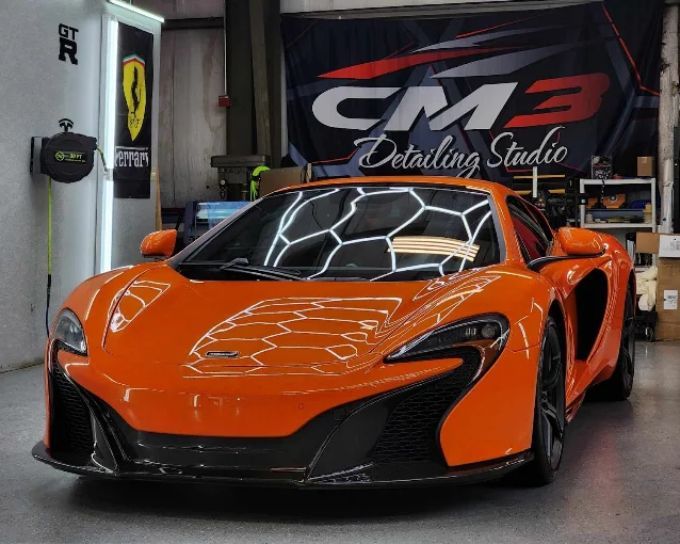
Your driving environment is the starting point. Frequent highway or rural driving, with exposure to gravel, salt, and debris, makes a stronger case for full-body PPF. City driving with lower debris exposure often makes a front-end clear bra a solid, more budget-friendly choice.
Vehicle type matters too. Luxury or high-performance vehicles, and those with specialty finishes, tend to benefit most from full-body PPF given the higher value being protected. Everyday commuter vehicles often do well with full-front coverage, especially when paired with ceramic coating for added shine and protection elsewhere.
Full-Front PPF:
- Investment: Lower
- Coverage: Hood, bumper, fenders, mirrors
- Installation time: Shorter
- Ideal for: Daily commuters
Full-Body PPF:
- Investment: Higher
- Coverage: Entire painted surface
- Installation time: Longer
- Ideal for: Luxury and specialty vehicles
Pros and Cons
Full-Front PPF:
- Cost-effective and quicker to install
- Protects the highest-impact zones
- Leaves doors, roof, and rear panels exposed to dings, stains, and environmental wear
Full-Body PPF:
- Comprehensive protection across the entire vehicle
- Helps preserve a flawless finish and resale value
- Requires a larger investment and longer installation time
Many drivers start with a front-end clear bra and add ceramic coating elsewhere for shine and easier cleaning. Others prioritize full-body PPF for complete, long-term peace of mind.
Which Option Is Right for You?
If you're a daily commuter mainly exposed to highway debris and front-end wear, a clear bra offers strong, cost-effective protection where it matters most. If you own a luxury, specialty, or high-value vehicle, or drive in harsher conditions, full-body paint protection film provides more complete, long-term protection and stronger support for resale value.
With a clear sense of how your driving habits, vehicle type, and budget factor into this decision, you're in a good position to have an informed conversation with a PPF installer about which coverage makes sense for you. The team at CM3 Detailing Studio & Ceramic Coating can help you weigh your driving habits, vehicle type, and local Elgin climate to find the right PPF fit, so you neither under-protect nor overspend. Whether you're comparing clear bra options in Elgin or considering full-body PPF, we're happy to walk you through your options. Give us a call at (630) 400-6766 or fill out our online contact form to get started.
Frequently Asked Questions
What does full-front PPF protect versus full-body PPF?
Full-front PPF, or a clear bra, protects the hood, front fenders, bumper, headlights, and mirrors. Full-body PPF extends to every painted surface, including doors, roof, and trunk, for far more complete protection.
How does installation time compare?
Full-front PPF installation is quicker, since it covers fewer panels. Full-body installation takes considerably longer due to the precision required across every surface.
How do costs compare?
A front-end clear bra is the more affordable option, since it protects fewer areas. Full-body paint protection film costs more but protects the entire vehicle.
What should I consider when choosing between the two?
Your driving environment and vehicle value matter most. Highway commuters often do well with a clear bra, while those in harsher conditions or with high-value vehicles benefit more from full-body PPF.
What are the main pros and cons of each?
Full-front PPF is budget-friendly but leaves some areas exposed. Full-body PPF costs more and takes longer to install but offers comprehensive, long-term protection and stronger resale value support. If you've heard mixed things about clear bra coverage, it's worth reading our clear bra myths debunked guide for a closer look at what's true and what's not.