How Dark Can You Tint Your Windows? A State-by-State Guide
Thinking about tinting your car windows? You're probably wondering how dark you can go before running into trouble. Car window tinting isn't just about looking good or blocking the sun. It's also regulated by laws that vary significantly by state. Getting the wrong shade can mean fines, a failed inspection, or paying to have the film removed and redone. This guide breaks down how automotive window tinting laws generally work, with a closer look at Illinois, California, and Texas as representative examples.
Window tint darkness is measured using Visible Light Transmission, or VLT, which indicates how much light passes through a tinted window. Front side windows are typically held to stricter limits than rear windows, but exact rules vary by state and sometimes by vehicle type, so always check your state's current law before applying tint.
The Basics of Window Tinting
Window tinting applies a thin film to your car's glass that changes how much light and heat pass through. A lower VLT means a darker tint, since less light gets through, while a higher VLT means a lighter tint. Beyond darkness, tint films block UV rays that can fade interior fabrics and affect skin during long drives.
Different materials offer different qualities. Dyed film is affordable and reduces glare but fades over time and offers limited heat protection. Metalized film reflects heat well but can interfere with GPS, radio, or cell signals. Carbon film avoids that interference while still providing solid UV protection. Ceramic tint, the premium option, provides strong heat and UV protection while maintaining clear signal strength, at a higher price point.
When choosing a car window tint, consider your climate and driving habits. For drivers in and around Elgin, Illinois, where summers bring plenty of sun exposure, a heat-blocking ceramic option can be worth the investment for long-term comfort.
How Tint Laws Differ by State
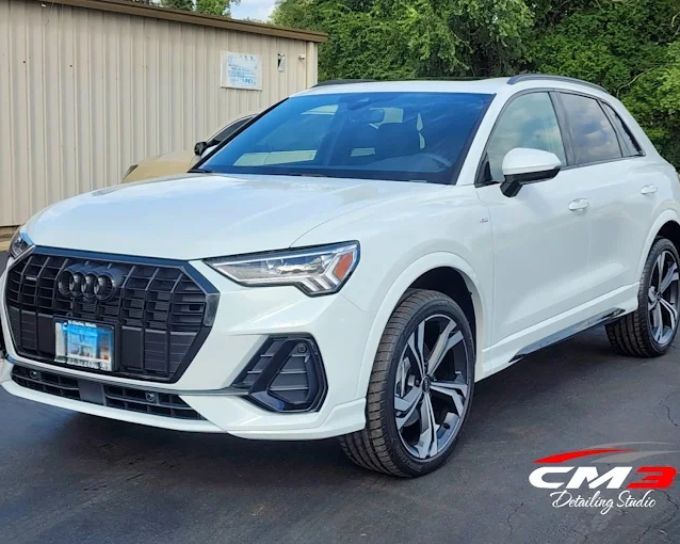
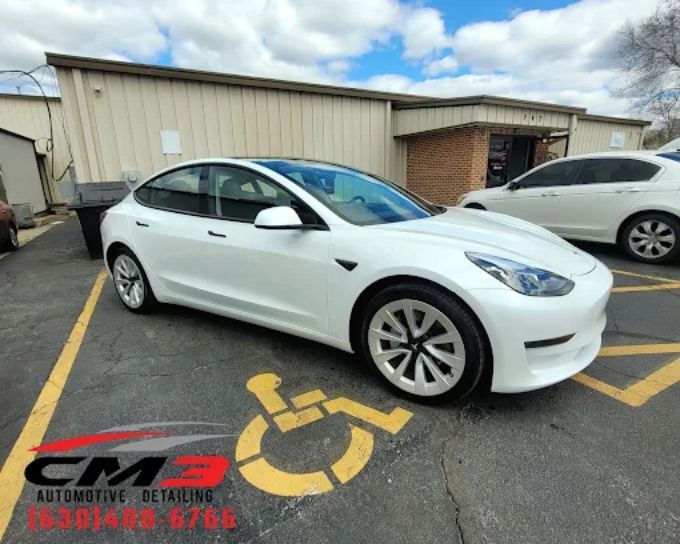
Every state sets its own VLT limits, and the differences can be significant:
Illinois, governed by the Illinois Vehicle Code (625 ILCS 5/12-503):
- Passenger vehicles: front side windows at 35% VLT with rear windows at 35%+ VLT, or front at 50% VLT with rear at 30%+ VLT
- SUVs, vans, and trucks: front side windows at 50% VLT or lighter; any darkness allowed in the rear
- Windshield: non-reflective tint on the top 6 inches only
- No banned colors, but reflective or mirrored tint isn't permitted
California, governed by Vehicle Code Section 26708:
- Front side windows must allow at least 70% VLT, among the strictest in the country
- Rear windows may be any darkness with dual side mirrors
- Windshield: non-reflective tint on the top 4 inches only
- Red, amber, and blue tint colors prohibited
Texas, governed by Transportation Code Section 547.613:
- Front side windows must allow at least 25% VLT
- Rear windows may be any darkness with dual side mirrors
- Windshield: non-reflective tint above the AS-1 line or top 5 inches
- Reflectivity capped at 25%; red, amber, and blue tint prohibited
The darkest legal front-window tint ranges from roughly 25% to 70% VLT depending on the state, and rear window rules are structured differently from state to state. Because laws vary and can change, always confirm current requirements with your state's DMV or DOT. Reputable window tinting services should also be able to walk you through what's compliant.
Commercial and Specialty Vehicles
Tint rules often differ for vehicles beyond standard passenger cars. Illinois, for example, treats SUVs, vans, and trucks as a separate category with more rear-window flexibility than sedans. Many states apply similar distinctions for commercial or livery vehicles. If you operate a fleet or specialty vehicle, don't assume passenger car rules apply. Check with your state's DOT, or ask an experienced automotive window tinting provider familiar with commercial classifications.
Understanding VLT and Reflectivity
VLT is the percentage of visible light that passes through your tinted window. Installers and inspectors use a photometer, or tint meter, to measure it by shining calibrated light through the glass. Very dark "limo tint" is restricted or prohibited on front windows in every state reviewed here, since it significantly limits visibility in both directions.
Most states also regulate reflectivity, since excess glare can be hazardous to other drivers and can make it harder for officers to see into a vehicle. Many states restrict certain tint colors as well, to avoid confusion with emergency vehicle lighting. Medical exemptions exist in many states, including Illinois, California, and Texas, but typically require physician documentation and, in some cases, formal state approval.
Inspections and the Cost of Getting It Wrong
Vehicle inspections and traffic stops both give law enforcement a chance to check your tint's VLT. If it measures below your state's legal minimum, expect a citation and, in inspection states, a failed inspection until it's corrected.
The financial risk goes beyond the fine. Non-compliant tint typically has to be removed and reapplied with a compliant film, meaning you pay for labor and material twice. That's a real cost that's easy to avoid by confirming your state's requirements before the first installation. Working with professional window tinting services is the best way to avoid this: a reputable shop should know your state's exact requirements, confirm compliance with a tint meter, and help you keep medical exemption documentation on hand if needed.
Common Mistakes to Avoid
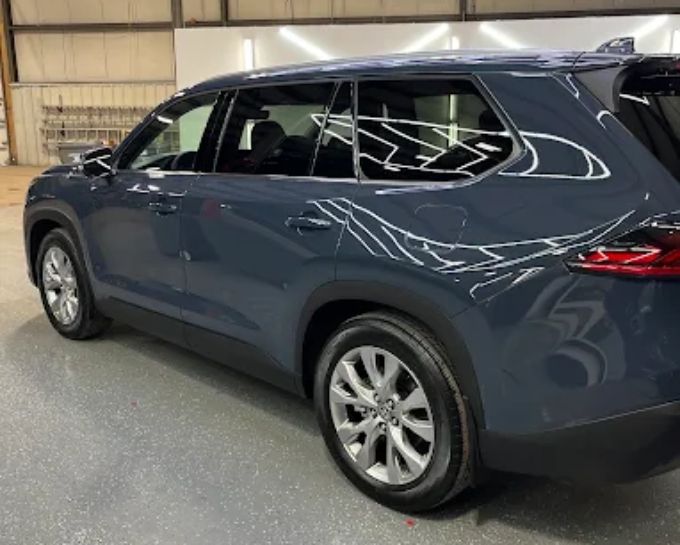
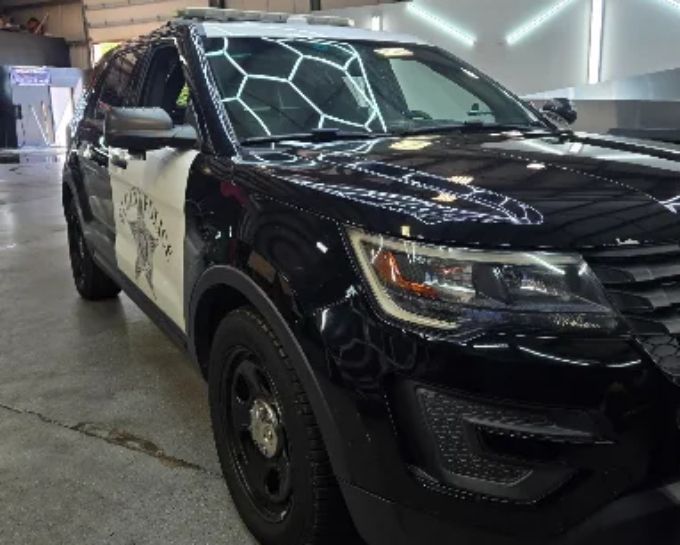
The most common mistake is not checking a state's current tint law before installation, since rules vary and can change over time. Choosing a low-quality film is another misstep. Cheaper films tend to peel, bubble, or discolor faster, potentially leading to another removal-and-reinstall expense. DIY installation is also a common source of trouble, since air bubbles, lifted edges, and uneven film can shorten a film's lifespan and affect legal compliance, which is one reason drivers turn to professional window tinting rather than attempting the job themselves. Finally, going darker than legally allowed risks fines, failed inspections, and impaired visibility, particularly at night.
Staying Compliant Over Time
Compliance isn't a one-time event. Tint can degrade from sun exposure or improper cleaning, and if it fades below your state's legal minimum, it can be flagged just like tint that was too dark to begin with. Periodically checking your tint for cracking or lifting helps you catch problems early. Combining accurate legal information, professional installation, and ongoing care is the most reliable way to enjoy the benefits of car window tint without legal trouble or the cost of redoing the work.
Get Expert Guidance for Your Vehicle
Navigating window tint laws on your own can be confusing, especially with rules that differ by vehicle type and change over time. The team at CM3 Detailing Studio & Ceramic Coating helps Elgin area drivers choose a tint that fits their comfort and privacy goals while staying fully compliant with Illinois law from the first installation. Whether you're tinting a daily driver, an SUV, or a specialty vehicle, our professional window tinting services take the guesswork out of the process, so you never have to worry about a failed inspection or paying to redo the work.
Ready to get started? Call us at (630) 400-6766 or reach out to schedule a consultation, and we'll help you find the right tint for your vehicle and your budget.
Frequently Asked Questions
What are the specific legal limits for window tint darkness in my state?
Limits vary widely by state. Illinois uses a paired front-and-rear configuration, California requires 70% VLT on front windows, and Texas allows front windows down to 25% VLT. Confirm your state's current requirements with your DMV or DOT, or with a local, experienced automotive window tinting provider.
How do medical exemptions affect window tinting laws?
Many states, including Illinois, California, and Texas, allow drivers with qualifying medical conditions to use darker tint than typically permitted, usually with physician documentation and, in some states, formal approval. Requirements vary, so check your state's process before applying darker tint under an exemption.
Are there differences in tinting laws for front, back, and rear windows?
Yes. Front side windows are usually held to stricter limits since driver and law enforcement visibility are the primary concerns. Illinois ties rear window darkness to what's used on the front, while California and Texas allow any rear darkness with dual side mirrors.
Do commercial or specialty vehicles follow different tint rules?
Often. States frequently apply separate rules to SUVs, vans, trucks, and commercial vehicles. Confirm applicable rules with your state's DOT rather than assuming passenger car limits apply.
What penalties apply if I violate my state's tinting regulations?
Penalties vary by state and typically include a fine plus a requirement to correct non-compliant film, meaning you may pay for installation twice. Check your local requirements for exact figures.
Where can I find official resources to verify window tint laws?
Your state's DMV or DOT website is the most reliable source for current VLT limits. A knowledgeable provider of window tinting services can also confirm what's compliant for your vehicle before installation.