What Makes Professional PPF Application Ideal for High-Gloss Finishes
When it comes to keeping your car looking fresh and protected, a good wash or wax only goes so far. If you really want to preserve that high-gloss finish and keep the paint looking like new for years, there is a smarter, longer-lasting solution: professional paint protection film (PPF). This clear, nearly invisible film does far more than shield against scratches. It actively maintains the deep, wet-look shine that makes a vehicle stand out on the road while defending the paint against the everyday hazards that quietly wear it down. In this article, we break down why professional-grade PPF is one of the most valuable investments any vehicle owner can make.
Why a Glossy Finish Matters
A glossy car finish does more than look impressive at a stoplight. It signals to anyone who sees the vehicle that it has been carefully and consistently maintained. That perception carries real weight, whether you are driving through town or preparing to sell or trade in your car.
Gloss is essentially a measure of how well a surface reflects light. A high-quality automotive paint finish reflects light in a way that creates depth, color richness, and that characteristic wet-look effect that makes paint appear almost alive. When that reflective quality is diminished by UV exposure, oxidation, road debris, or water spotting, even a well-kept vehicle can start to look worn and dull. Maintaining optical clarity over the long term requires more than routine washing. It requires a protective barrier that actively shields the surface from the forces working against it every day.
Vehicles with preserved, high-gloss finishes also tend to hold their resale value better than those showing visible wear on the paint. For luxury and performance vehicles especially, appearance is closely tied to perceived value, and a paint surface that still looks showroom-fresh years later communicates care that buyers and appraisers notice.
This is precisely where professional paint protection film earns its place. Unlike wax or conventional sealant, which sit on the surface and break down relatively quickly, high-quality PPF forms a durable, multilayer barrier over the paintwork that is engineered to last for years. It guards against chips, scratches, and environmental damage and does so without compromising the visual clarity of the paint beneath.
What Professional PPF Is
Professional paint protection film is a multi-layer thermoplastic polyurethane film that adheres seamlessly to a vehicle's painted surfaces without altering their appearance. It is engineered to be both thin and tough, absorbing impacts and resisting wear while remaining virtually invisible to the eye.
The film's composition is what sets it apart from simpler protective products. The outer topcoat provides hydrophobic properties that cause water and contaminants to bead off the surface rather than bond to it. Underlying layers deliver the structural protection against chips and abrasion, while a self-healing polymer matrix allows minor scratches to disappear with exposure to heat. The result is a film that does not merely sit on top of your paint but works with it, preserving and often enhancing its appearance over time.
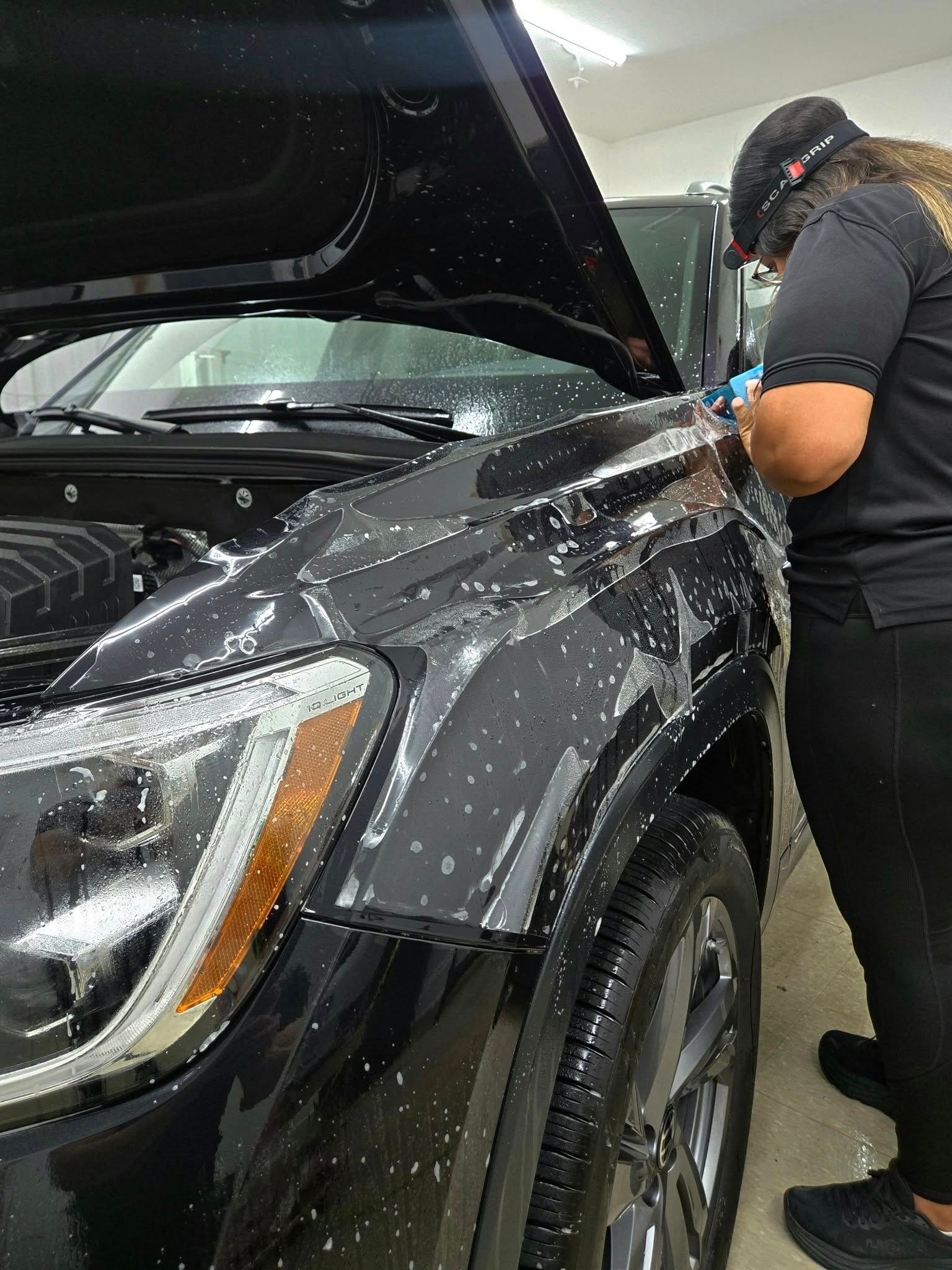
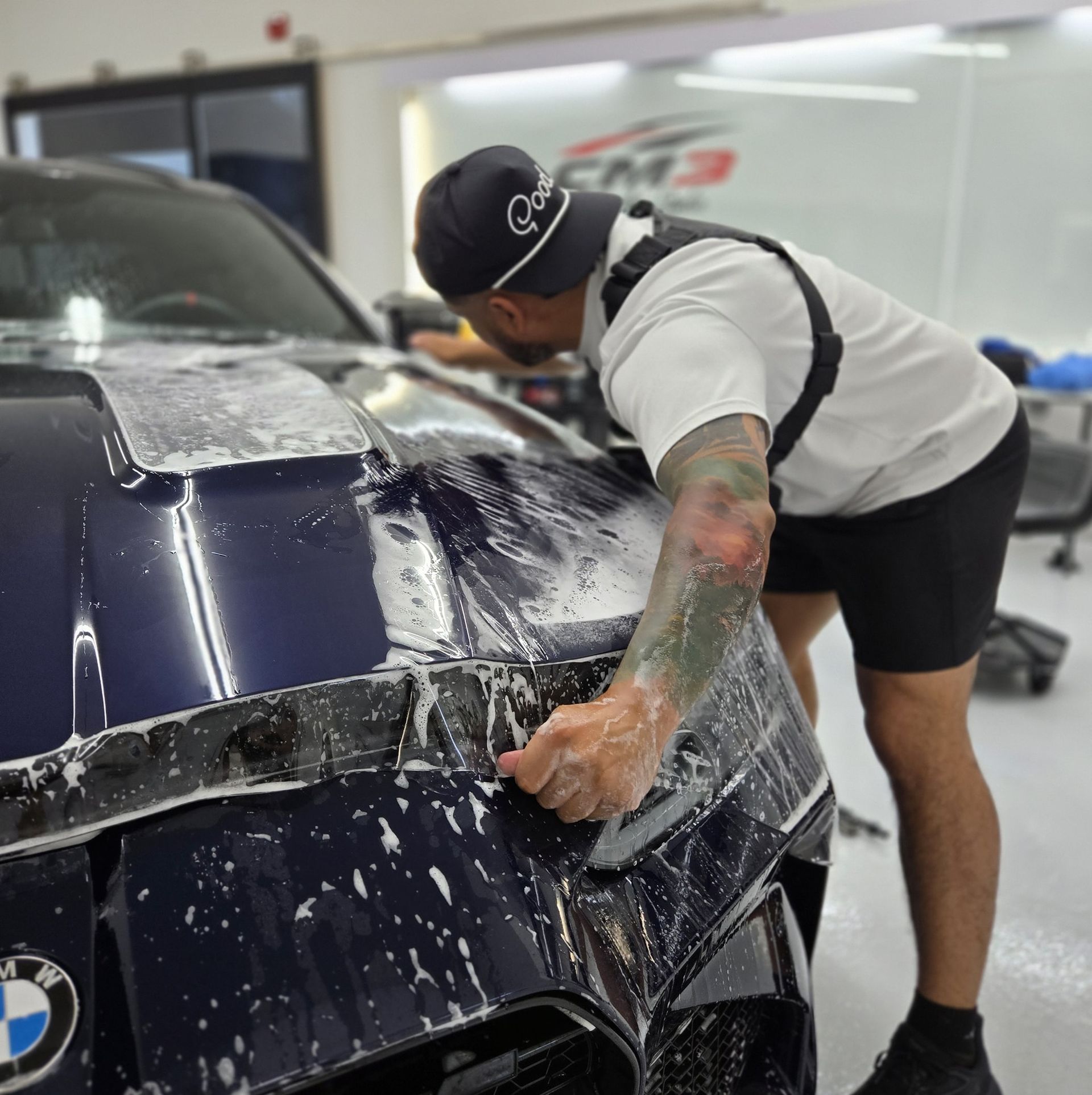
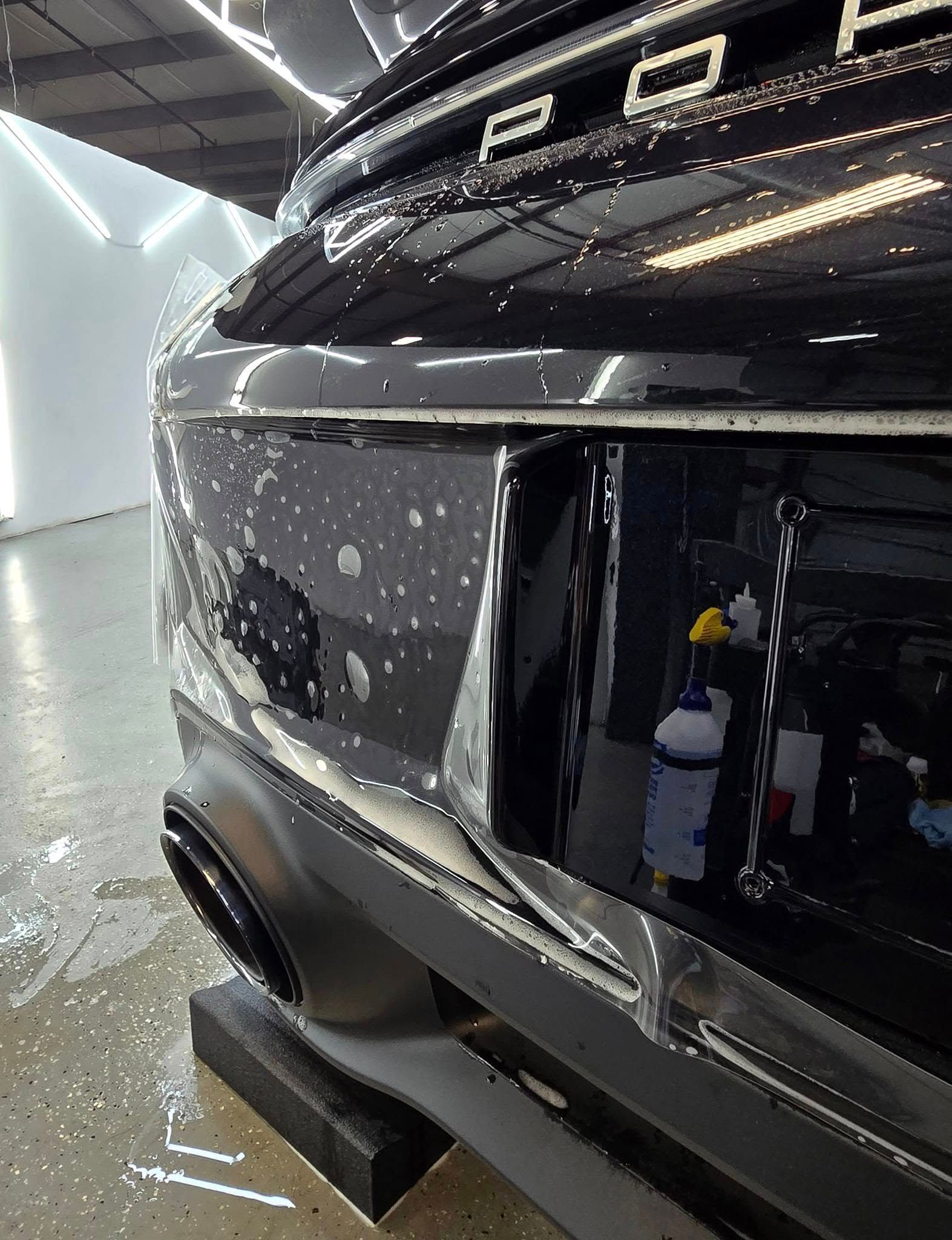
Professional installation also relies on precision-cut film panels shaped to fit a specific vehicle's curves, contours, and panel geometry. This approach ensures full coverage without the bubbles, wrinkles, or gaps that can compromise both the look and the protective performance of the film.
The Benefits of High-Gloss PPF
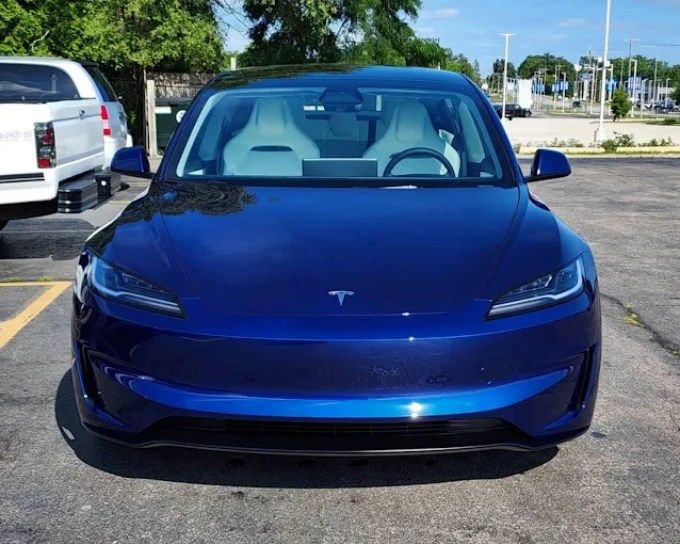
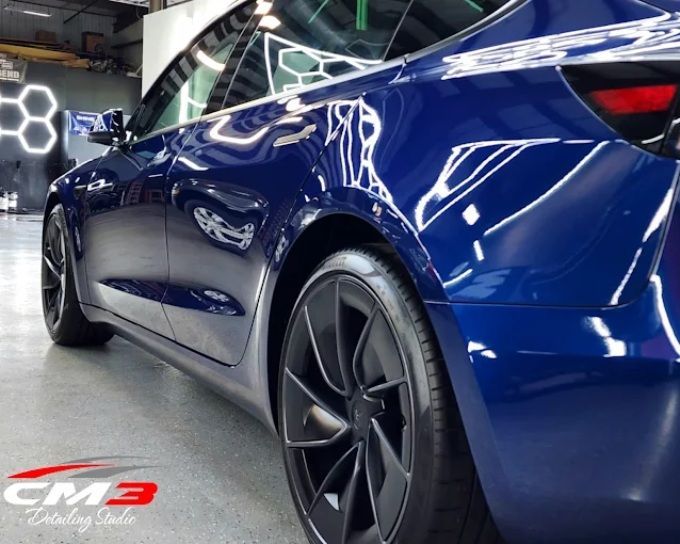
High-gloss PPF does not simply protect paint. It elevates the way it looks. The film's advanced construction smooths out microscopic surface irregularities, allowing light to reflect in a deeper, more uniform way than untreated paint typically achieves on its own. Colors appear richer, more saturated, and more vibrant under different lighting conditions. The finish takes on that polished, jewel-like quality that enthusiasts often describe as a wet look.
Beyond aesthetics, the film delivers durability that traditional protective products cannot match. Standard wax breaks down within weeks. Even conventional sealant requires regular reapplication to remain effective. High-gloss PPF, by contrast, resists yellowing, scratching, and environmental damage for years, acting as a continuous and renewable line of defense against the chips and blemishes that accumulate with everyday driving.
UV protection is another significant advantage. Prolonged sun exposure fades paint, strips color vibrancy, and causes yellowing in lower-quality coatings over time. High-gloss PPF includes UV-resistant layers that block harmful ultraviolet radiation and preserve the original depth and richness of the paint beneath. The film essentially takes the brunt of sun exposure so the paint does not have to.
The hydrophobic properties of the film also simplify maintenance. Water, dirt, and road grime bead off and rinse away more easily, reducing the time and effort required between washes and minimizing the risk of water spots and contamination buildup between cleaning sessions.
How Professional PPF Is Applied
Applying paint protection film correctly is both a technical process and a skilled craft. Every step matters, starting well before the film makes contact with the vehicle's surface.
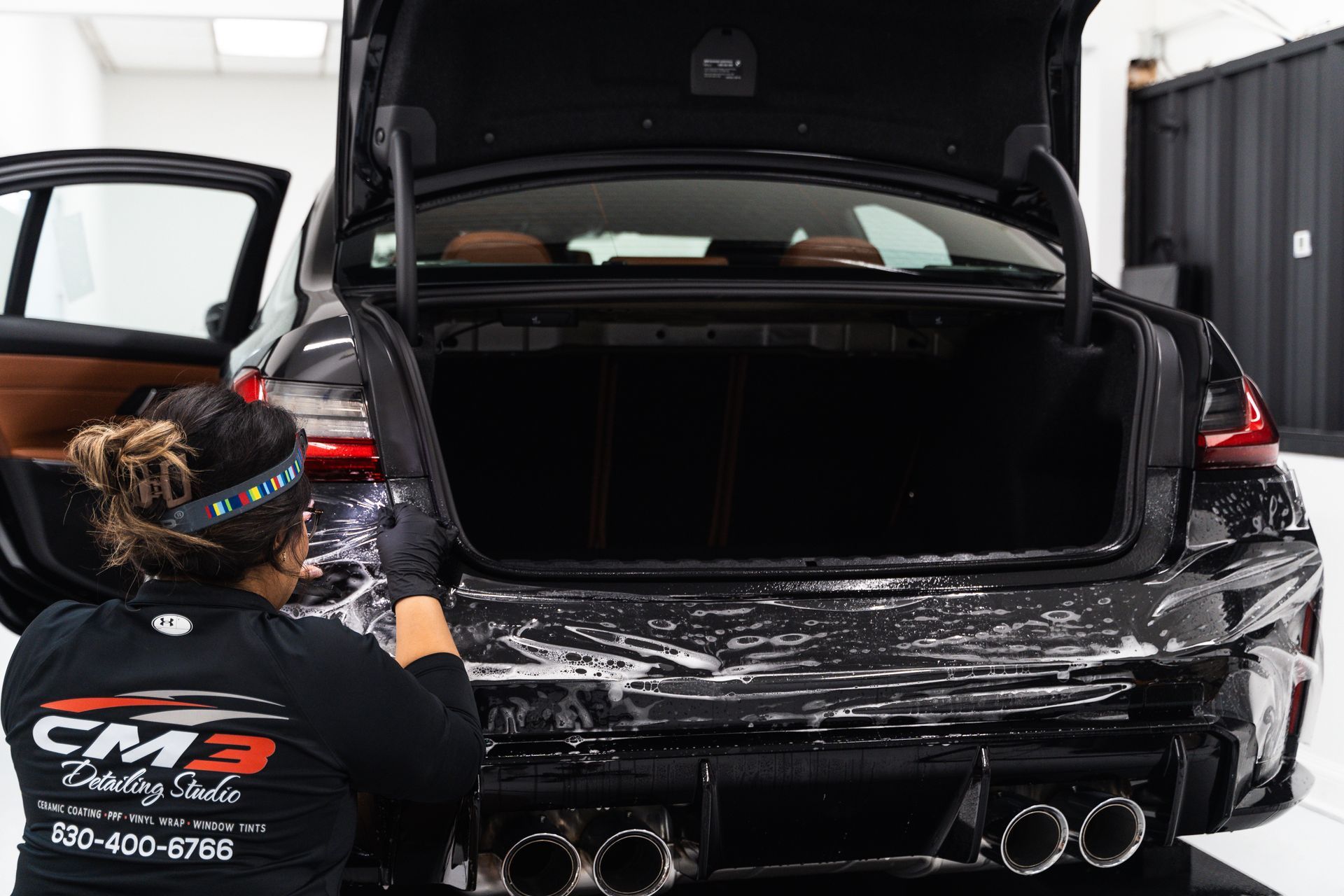
Surface preparation is the foundation of a successful installation. Professionals begin with a thorough wash, followed by a clay bar treatment to remove microscopic bonded contaminants, and finish with an alcohol wipe-down to eliminate any oils or residue that could interfere with adhesion. This level of preparation may seem intensive, but it is what ensures the film bonds properly and performs at the highest level for years without lifting, bubbling, or peeling.
Film alignment and placement require patience and precision. Installers apply a slip solution to the surface to allow the film to be positioned and adjusted before the adhesive sets. As the film is smoothed into place using specialized tools, air bubbles and excess fluid are carefully worked out from the center of each panel toward the edges. Rushing this step invites imperfections that are difficult or impossible to correct without removing and reapplying the film.
Heat application plays an important role in activating the adhesive and helping the film conform to complex curves, tight edges, and recessed areas. A well-trained installer knows exactly how much heat each area requires. Too little, and portions of the film may lift or wrinkle. Excessive heat can compromise the film or the underlying paint.
Precision-cut panels designed for specific vehicle models reduce both installation time and the risk of errors on complex surfaces such as side mirrors, door edges, and bumper curves. After installation, a curing period allows the film to settle fully and moisture to escape before the vehicle is exposed to water or contaminants. Following the installer's post-application care instructions during this window is essential to achieving the best long-term result.
Self-Healing Technology
One of the most impressive features of modern PPF is its capacity to repair itself. This is not a marketing claim but a scientifically engineered property built into the film's polymer structure.
The self-healing layer consists of nanopolymers that possess a kind of structural memory. When minor scratches or swirl marks occur on the film's surface, the polymer chains temporarily deform but do not break permanently. When heat is applied, whether from direct sunlight, a warm rinse, or ambient warmth, those chains gradually realign and return to their original position, effectively erasing the scratch without any intervention from the vehicle owner.
This happens relatively quickly under normal conditions and covers the kind of light surface damage that accumulates from routine driving: brushes against bushes, careless contact in parking lots, or light swirling from an automated wash. While self-healing technology does not address deep gouges or punctures, it handles the everyday surface wear that would otherwise dull a finish over time and require professional correction.
Preserving this self-healing capability requires thoughtful maintenance. Abrasive cleaning materials and harsh chemical products degrade the polymer layer over time, reducing its effectiveness. Gentle care is not just cosmetically important. It is what keeps this intelligent feature functioning as it was designed to.
Maintaining Your PPF
Proper maintenance is what ensures that PPF continues to perform and look its best throughout its lifespan. The film is engineered for durability, but it remains sensitive to abrasive materials, harsh cleaning chemicals, and neglected surface contamination.
Washing by hand every one to two weeks with a pH-neutral shampoo and a soft microfiber mitt is the foundation of good PPF maintenance. Automatic car washes with spinning brushes should be avoided, as they can scratch the film's surface and lift edges over time. Rinsing with filtered water when possible and drying promptly helps prevent water spotting.
Prompt attention to surface contamination is equally important. Bug splatter, bird droppings, tree sap, and road tar all contain acidic compounds that can etch or stain the film if left in place for extended periods. These should be addressed as soon as possible using a PPF-safe cleaner or diluted isopropyl alcohol on a soft cloth, always on a cool surface.
Edge inspection is a routine part of responsible PPF ownership. The edges of each panel are the most vulnerable points where lifting or peeling can begin, often going unnoticed until the problem has spread. Catching edge imperfections early allows for a simple repair rather than a full panel replacement. Annual professional inspections are valuable for this reason, as trained eyes can detect subtle signs of wear or adhesion issues that are easy to miss during regular washing.
Following consistent care practices protects your investment, prolongs the film's effective lifespan, and keeps the high-gloss finish looking as clean and vibrant as the day the installation was completed.
A Smarter Way to Preserve High-Gloss Finishes
Keep that deep, high-gloss finish working in your favor with expert paint protection from CM3 Detailing Studio & Ceramic Coating in Elgin, IL. Our professional PPF installations are designed to preserve clarity, enhance light reflection, and maintain that rich, wet-look appearance over time. With precise surface preparation, seamless film application, and attention to every contour, your vehicle stays visually striking while protected from daily wear.
Schedule your paint protection film service today and give your vehicle the lasting finish it deserves!